It was 10:47 PM on a completely unremarkable Tuesday, and I had a very specific, almost aggressive craving for something bright and cold. Not ice cream, not a smoothie, but that particular kind of sharp, sweet-tart shock that only winter fruit can deliver. I didn’t have the fancy blood oranges or the perfect pomegranate I’d been dreaming about, but I had a bag of clementines that were starting to look a little desperate, a lone ruby-red grapefruit, and a pomegranate that had been sitting on my counter for a week like a sad little grenade. The idea that arrived was less a plan and more a desperate act of culinary triage: just cut everything up, toss it together, and see what happens. Honestly, I was too tired to care if it was a disaster. I was just chasing a feeling.
I’ll be honest, I almost just ate the clementines standing over the sink. But something about the late-night quiet made me want to do it properly. I got out my biggest bowl and started peeling, the scent of citrus filling the whole kitchen. It was one of those moments where you’re not really cooking, you’re just… performing a small, private ritual. The juice from the grapefruit got all over my cutting board, and I definitely flicked a pomegranate seed across the room (it’s still under the fridge, I’m sure). But when I finally took that first bite—the sweet clementine, the tart grapefruit, the little pop of the pomegranate—it was exactly what I needed. It was a little bit of sunshine at eleven o’clock at night. And that’s why this easy winter citrus pomegranate fruit salad has become my go-to for those moments when you just need something simple, bright, and undeniably good.
Why You’ll Love This Recipe
Let’s be real—most fruit salads are a snooze. They’re a sad mix of melon and grapes that someone brought to a picnic. This is not that. This is a winter citrus and pomegranate fruit salad that actually has a point of view. It’s bright, it’s bold, and it comes together in about 15 minutes flat. I’ve tested this more times than I care to admit, trying different citrus combos and sweeteners, and this version is the one that wins every single time. It’s the kind of recipe that makes you look like you put in way more effort than you actually did.
- Quick & Easy: From fridge to table in under 15 minutes. No cooking, no complicated steps. Just slice, toss, and serve. Perfect for those nights when you need something on the table fast.
- Simple Ingredients: You likely already have everything in your kitchen. If you don’t, a quick trip to the grocery store will set you right. No fancy, hard-to-find ingredients here.
- Perfect for Weeknights: This isn’t just for holidays. It’s a fantastic side dish for a quick weeknight dinner, a light dessert, or even a bright addition to your breakfast. It’s versatile like that.
- Crowd-Pleaser: I’ve brought this to potlucks and family dinners, and it disappears fast. Even the kids who swear they don’t like grapefruit go back for seconds. It’s a total winner.
- Unbelievably Delicious: The key is the honey-lime dressing. It’s not too sweet, just enough to bring out the natural sugars in the fruit. The combination of textures and flavors is next-level comfort food—bright, refreshing, and satisfying.
What makes this recipe different from the rest is the balance. It’s not just a pile of fruit. It’s a carefully considered mix of sweet, tart, and tangy, with a little pop of texture from the pomegranate seeds. It’s comfort food reimagined—healthier, faster, but with the same soul-soothing satisfaction. Perfect for impressing guests without stress, or turning a simple meal into something memorable.
What Ingredients You Will Need
This recipe uses simple, wholesome ingredients to deliver bold flavor and satisfying texture without the fuss. Most of these are winter pantry staples, and they’re all easy to find at your local grocery store.
- For the Fruit:
- 3 navel oranges, peeled and segmented (or 4 clementines if you prefer a sweeter, less tart flavor)
- 2 ruby red grapefruits, peeled and segmented (the red ones are sweeter and less bitter than white grapefruit)
- 1 cup pomegranate seeds (from about 1 large pomegranate, or use pre-seeded for a shortcut)
- 1 large fennel bulb, thinly sliced (optional, but adds a lovely, subtle anise crunch that pairs beautifully with citrus)
- For the Dressing:
- 2 tablespoons honey (or maple syrup for a vegan option)
- 1 tablespoon fresh lime juice (from about 1 lime)
- 1/2 teaspoon lime zest (optional, but it adds a nice pop of flavor)
- Pinch of sea salt (to brighten all the flavors)
- For the Garnish (optional, but recommended):
- Fresh mint leaves, torn or thinly sliced
Ingredient selection tip: When choosing pomegranates, look for ones that feel heavy for their size and have a deep, rich color. The skin should be taut and firm. For the citrus, give them a gentle squeeze—they should feel heavy and firm, not soft or spongy. I personally prefer the flavor of navel oranges for this recipe, but Cara Cara oranges are also fantastic if you can find them. They have a slightly sweeter, less acidic flavor and a beautiful pinkish-red flesh.
Substitution guidance: If you can’t find fennel, feel free to skip it. The salad is still delicious without it. If you’re not a fan of grapefruit, you can substitute it with another orange or even a few mandarins. For a different flavor profile, try adding a handful of chopped toasted walnuts or pistachios for some crunch.
Equipment Needed
You don’t need a lot of fancy equipment for this recipe, which is part of the beauty of it. Here’s what you’ll need:
- A sharp chef’s knife – This is the most important tool. A dull knife will make segmenting citrus a frustrating, juice-splattering mess. Trust me, I’ve learned this the hard way.
- A large cutting board – You’ll be doing a fair amount of chopping, so give yourself some space.
- A large mixing bowl – Big enough to hold all the fruit without it spilling over.
- A small bowl or jar – For whisking together the dressing.
- A citrus zester or microplane – If you’re using the lime zest, this is the easiest way to get it.
- A sharp paring knife – Useful for removing the pith from the citrus segments.
Budget-friendly option: If you don’t have a microplane, you can use the fine side of a box grater to zest the lime. Just be careful not to get the white pith, which is bitter.
Preparation Method
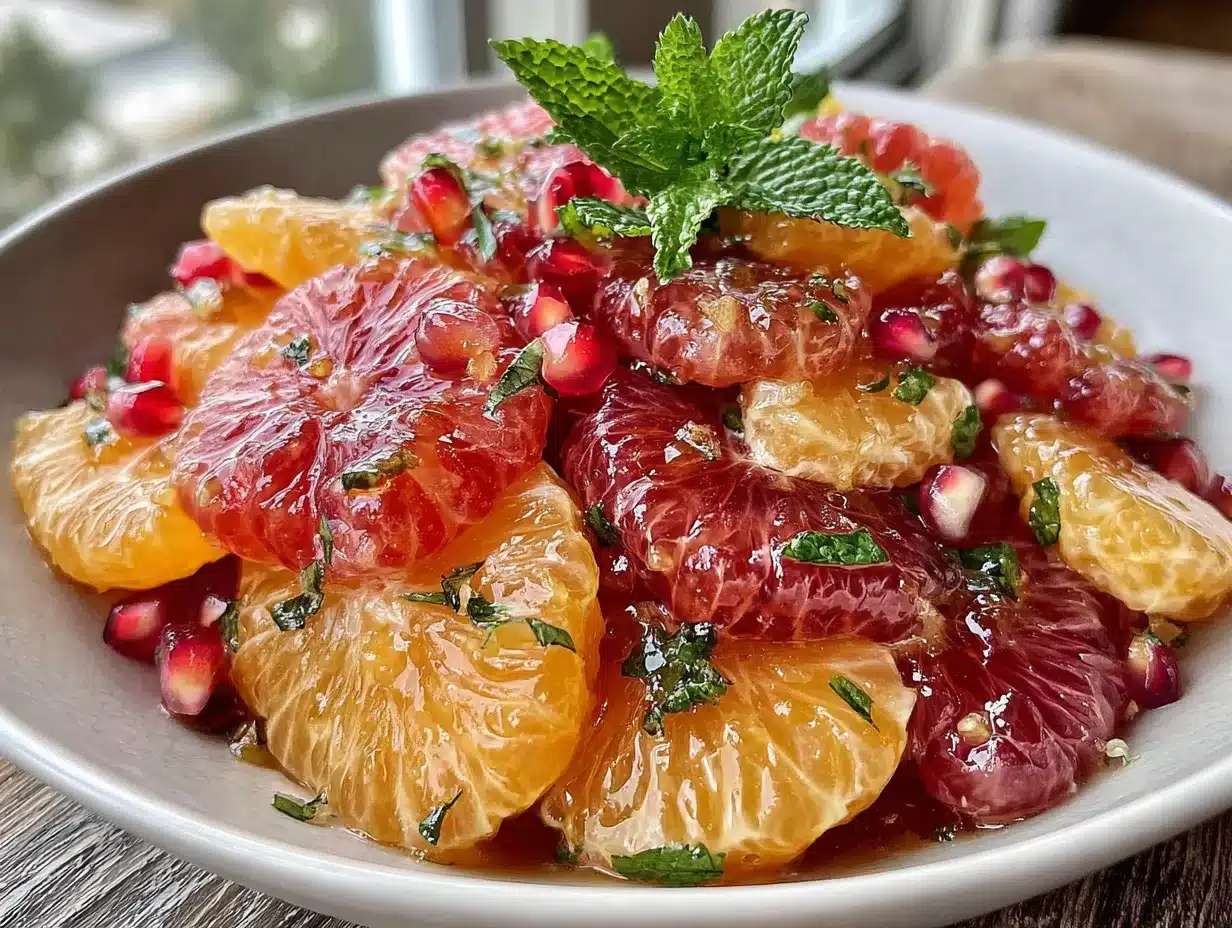
Alright, let’s get to it. This is where the magic happens. Follow these steps, and you’ll have a beautiful bowl of winter sunshine in no time.
- Prepare the Pomegranate (5 minutes): If you’re using a whole pomegranate, this is the step that trips people up. The key is to do it underwater. Cut the pomegranate in half horizontally. Fill a large bowl with cold water. Submerge one half of the pomegranate in the water and use your fingers to gently pry the seeds loose. The seeds will sink to the bottom, and the white pith will float to the top. Skim off the pith and drain the seeds. This method is mess-free and prevents the juice from staining your clothes. Pro tip: Do this over the sink, just in case.
- Segment the Citrus (10 minutes): This is the most important technique to master for this recipe. Start by cutting a thin slice off the top and bottom of each orange and grapefruit so they sit flat on your cutting board. Using a sharp chef’s knife, cut off the peel and white pith in strips, following the curve of the fruit. You want to remove all the white pith, as it’s bitter. Hold the peeled fruit in one hand over a bowl to catch the juice. Using a paring knife, cut along each membrane to release the segments. Let them fall into the bowl. Squeeze the remaining membrane over the bowl to get any extra juice. Your fruit should look like perfect little wedges with no white pith attached.
- Slice the Fennel (2 minutes): If you’re using fennel, cut off the stalks and the root end. Slice the bulb in half lengthwise, then slice it crosswise into very thin half-moons. The thinner, the better—you want a delicate crunch, not a mouthful of fennel.
- Make the Dressing (2 minutes): In a small bowl or jar, whisk together the honey, fresh lime juice, lime zest, and a pinch of sea salt. Taste it. It should be a perfect balance of sweet and tart. Adjust the honey or lime juice to your liking. This is your moment to customize the flavor.
- Assemble the Salad (2 minutes): In your large mixing bowl, gently combine the citrus segments, pomegranate seeds, and sliced fennel (if using). Drizzle the dressing over the top. Use your hands or a large spoon to gently toss everything together, being careful not to break up the citrus segments. The fruit should be evenly coated in the dressing, but not swimming in it.
- Garnish and Serve (1 minute): Transfer the salad to a serving bowl or individual plates. Garnish with fresh mint leaves, if desired. Serve immediately, or let it sit at room temperature for 10-15 minutes to allow the flavors to meld. The salad will look vibrant and glossy, with the pomegranate seeds providing little bursts of color and texture.
Troubleshooting tip: If your citrus segments are breaking apart, your knife might be dull. A sharp knife will glide through the membranes cleanly. Also, make sure your fruit is cold—it’s easier to segment when it’s firm.
Cooking Tips & Techniques
I’ve made this salad more times than I can count, and I’ve learned a few things along the way. Here are my best tips for success.
Don’t skip the dressing. I know it seems like fruit should be sweet enough on its own, but the honey-lime dressing is the secret weapon. It brightens everything up and makes the flavors sing. The pinch of salt is non-negotiable—it balances the sweetness and tartness perfectly.
Segmenting citrus is a skill. It takes a little practice, but once you get the hang of it, it’s a game-changer. The key is to remove all the white pith. If you leave any on, it will make the salad bitter. Don’t worry if your first few attempts aren’t perfect—the fruit will still taste delicious.
Timing is everything. This salad is best served within an hour of making it. The longer it sits, the more juice the fruit will release, and the dressing will get diluted. If you’re making it ahead, keep the dressing separate and toss it together just before serving.
One mistake I made early on was using a regular spoon to toss the salad. The spoon broke up all the beautiful citrus segments, and I ended up with a mushy mess. Use your hands or a very gentle spatula to fold everything together. Be respectful of the fruit.
If you’re short on time, use pre-seeded pomegranate seeds and pre-sliced fennel. It’s a perfectly acceptable shortcut. The salad will still be delicious, and you’ll save yourself a good 10 minutes.
Variations & Adaptations
This recipe is incredibly versatile. Here are a few ways to change it up based on what you have on hand or what you’re in the mood for.
Dietary Adaptation (Vegan): Swap the honey for maple syrup or agave nectar. The flavor will be slightly different, but just as delicious.
Seasonal Variation: In the summer, try this with a mix of peaches, nectarines, and blueberries. The honey-lime dressing works beautifully with stone fruit. In the fall, add some sliced apples or pears and a sprinkle of cinnamon.
Flavor Variation (Herby): Add a handful of fresh basil or cilantro along with the mint. The herbaceous notes pair surprisingly well with the citrus and pomegranate.
Texture Variation (Crunchy): Add 1/4 cup of toasted chopped pistachios or walnuts just before serving. The crunch is a wonderful contrast to the soft, juicy fruit.
Personal Variation: I once made this with a splash of orange blossom water in the dressing. It added a beautiful floral note that made the salad feel extra special. Just be careful—a little goes a long way.
Serving & Storage Suggestions
This winter citrus and pomegranate fruit salad is best served cold or at room temperature. The flavors are brightest when it’s not straight out of the fridge, so let it sit for 10 minutes before serving if you’ve chilled it.
Presentation: Serve it in a beautiful glass bowl to show off the vibrant colors. For individual servings, arrange the citrus segments in a fan pattern on a plate and sprinkle the pomegranate seeds over the top. It looks incredibly elegant with minimal effort.
Complementary Dishes: This salad is a fantastic side dish for roasted chicken, grilled fish, or pork tenderloin. It also pairs beautifully with a simple cheese board—the bright acidity cuts through the richness of the cheese. For a light dessert, serve it with a dollop of vanilla yogurt or a scoop of sorbet.
Storage: Store any leftovers in an airtight container in the refrigerator for up to 2 days. The fruit will release more juice as it sits, so it will be a little more saucy. That’s not a bad thing—you can drink the leftover juice like a little citrus elixir.
Reheating: Don’t. This is a cold salad. It’s not meant to be reheated. If you’ve stored it, just give it a gentle stir and serve it cold.
Flavor Development: The flavors will meld and deepen over time. Some people actually prefer this salad the next day when the dressing has had a chance to soak into the fruit. It’s a matter of personal preference.
Nutritional Information & Benefits
This salad is a nutritional powerhouse. It’s packed with vitamins, antioxidants, and fiber, making it a guilt-free indulgence.
Estimated Nutritional Values (per serving, about 1 cup):
- Calories: 120
- Fat: 0.5g
- Carbohydrates: 30g
- Fiber: 5g
- Sugar: 22g (natural sugars from fruit and honey)
- Protein: 2g
- Vitamin C: 80% of the Daily Value (DV)
- Vitamin A: 10% DV
- Potassium: 10% DV
Health Benefits: Oranges and grapefruits are loaded with vitamin C, which supports immune health—especially important during winter. Pomegranate seeds are rich in antioxidants called punicalagins, which are great for heart health. Fennel is a good source of fiber and vitamin C, and it’s known for its anti-inflammatory properties. The honey provides a small amount of natural energy, and the lime juice adds a boost of vitamin C and antioxidants.
Dietary Considerations: This recipe is naturally gluten-free, dairy-free, and vegan (if you use maple syrup). It’s also low in fat and sodium. The main potential allergen is honey (for those with bee allergies), but it’s easily substituted.
Honestly, this is one of those recipes that feels like a treat but is actually really good for you. It’s a win-win.
Conclusion
This easy winter citrus pomegranate fruit salad is more than just a recipe—it’s a little moment of brightness in the middle of a cold, gray winter. It’s the kind of thing you make when you need a reminder that fresh, vibrant flavors are still out there, even when it’s freezing outside. It’s simple, it’s fast, and it’s absolutely delicious.
I really hope you give this one a try. Don’t be afraid to adapt it to your own tastes—swap out the grapefruit for more oranges, add a handful of nuts, or throw in some fresh herbs. The beauty of this recipe is that it’s flexible. It’s a starting point, not a rigid set of rules.
I’d love to hear how it turns out for you. Leave a comment below and let me know if you made any changes or if you have a favorite citrus combination. And if you’re looking for another quick and easy side dish, you might also enjoy this roasted balsamic Brussels sprouts—it’s another weeknight winner. Happy cooking, and here’s to finding a little sunshine in a bowl.
Frequently Asked Questions
Can I make this salad ahead of time?
Yes, but with a caveat. You can prep all the ingredients up to a day in advance. Segment the citrus, seed the pomegranate, and slice the fennel, and store them separately in airtight containers in the refrigerator. Make the dressing and store it separately. Toss everything together just before serving to keep the fruit from getting too watery.
How do I pick a good pomegranate?
Look for a pomegranate that feels heavy for its size—that means it’s full of juice. The skin should be firm, taut, and a deep, rich red or reddish-brown color. Avoid any with soft spots, cracks, or blemishes. A good pomegranate will have a slight squarish shape, not perfectly round.
Can I use bottled lemon or lime juice?
I really don’t recommend it. Fresh lime juice has a bright, clean flavor that bottled juice just can’t match. Bottled juice often has a flat, slightly metallic taste. For a recipe this simple, where the dressing is one of the main flavor components, fresh is definitely best.
My citrus segments are falling apart. What am I doing wrong?
This usually happens for one of two reasons: your knife is dull, or your fruit is too warm. A sharp knife will cut cleanly through the membranes without crushing the fruit. Also, make sure your citrus is well-chilled before you start—cold fruit is firmer and easier to work with.
Is this salad suitable for a diabetic diet?
While this salad contains natural sugars from the fruit and honey, it’s also high in fiber, which helps slow down the absorption of sugar into the bloodstream. The portion size is key. A 1-cup serving is reasonable for most people. If you’re concerned, you can reduce or omit the honey, and the salad will still be delicious. As always, consult with your healthcare provider for personalized dietary advice.
Pin This Recipe!
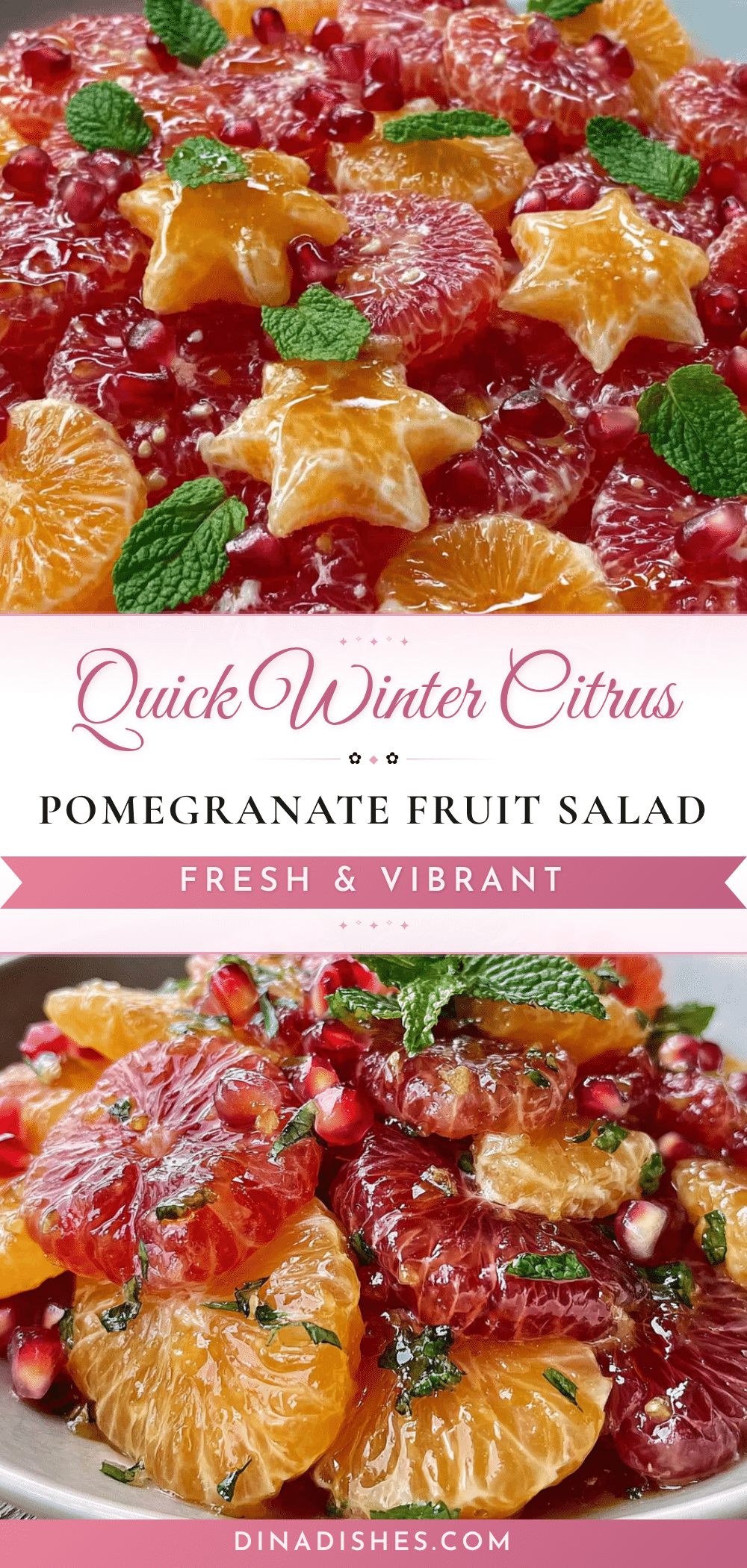
Easy Winter Citrus Pomegranate Fruit Salad

A bright, bold, and refreshing winter fruit salad with citrus segments, pomegranate seeds, and a honey-lime dressing. Ready in 15 minutes, it’s the perfect quick side dish or light dessert.
- Prep Time: 15 minutes
- Cook Time: 0 minutes
- Total Time: 15 minutes
- Yield: 4 servings 1x
- Category: Side Dish
- Cuisine: American
Ingredients
- 3 navel oranges, peeled and segmented (or 4 clementines)
- 2 ruby red grapefruits, peeled and segmented
- 1 cup pomegranate seeds (from about 1 large pomegranate)
- 1 large fennel bulb, thinly sliced (optional)
- 2 tablespoons honey (or maple syrup for vegan)
- 1 tablespoon fresh lime juice
- 1/2 teaspoon lime zest (optional)
- Pinch of sea salt
- Fresh mint leaves, torn or thinly sliced (for garnish, optional)
Instructions
- Prepare the pomegranate: Cut the pomegranate in half horizontally. Fill a large bowl with cold water. Submerge one half in the water and use your fingers to gently pry the seeds loose. The seeds will sink, and the pith will float. Skim off the pith and drain the seeds.
- Segment the citrus: Cut a thin slice off the top and bottom of each orange and grapefruit. Using a sharp knife, cut off the peel and white pith in strips, following the curve of the fruit. Hold the peeled fruit over a bowl and cut along each membrane to release the segments. Squeeze the remaining membrane for extra juice.
- Slice the fennel: If using, cut off the stalks and root end. Slice the bulb in half lengthwise, then slice crosswise into very thin half-moons.
- Make the dressing: In a small bowl or jar, whisk together the honey, fresh lime juice, lime zest, and a pinch of sea salt. Taste and adjust sweetness or tartness as desired.
- Assemble the salad: In a large mixing bowl, gently combine the citrus segments, pomegranate seeds, and sliced fennel (if using). Drizzle the dressing over the top and gently toss with your hands or a large spoon to coat evenly.
- Garnish and serve: Transfer to a serving bowl or individual plates. Garnish with fresh mint leaves if desired. Serve immediately or let sit at room temperature for 10-15 minutes to meld flavors.
Notes
Best served within an hour of making. For make-ahead, prep ingredients separately and toss with dressing just before serving. Use pre-seeded pomegranate and pre-sliced fennel to save time. A sharp knife is key for clean citrus segments.
Nutrition
- Serving Size: 1 cup
- Calories: 120
- Sugar: 22
- Sodium: 50
- Fat: 0.5
- Carbohydrates: 30
- Fiber: 5
- Protein: 2
Keywords: winter fruit salad, citrus salad, pomegranate salad, easy fruit salad, healthy side dish, vegan option, gluten-free