It was 10:47 PM on a random Wednesday in early November, and I had an absolutely ridiculous craving for something that tasted like fall but felt like a hug. Not a pie—too much commitment. Not a cake—too much leftovers for one person. I wanted a cookie, but not just any cookie. I wanted something that tasted like the steam coming off a mug of hot apple cider, if that makes any sense. I didn’t have fresh apples, and honestly, I wasn’t about to peel and chop anything at that hour. But I had a half-empty bottle of apple cider in the fridge from the weekend farmers’ market, and the idea just sort of arrived—what if I used it in the dough instead of milk? I mean, I’ve made pumpkin cookies a hundred times, but apple cider? That felt like a weird little gamble my tired brain was willing to take.
I grabbed my favorite small mixing bowl—the one with the chip on the rim that I refuse to throw away—and started winging it. I spilled a little cinnamon on the counter, forgot to set the butter out early (so I had to get creative), and at one point I was pretty sure I’d made a mistake because the dough looked way too sticky. But I scooped it onto the baking sheet anyway, because honestly, what else was I going to do at 11 PM on a Tuesday? And then they came out of the oven, and I stood there in my kitchen, holding a warm cookie that tasted exactly like the coziest thing I’d ever eaten. That’s the moment this recipe was born—out of a late-night whim, a half-empty bottle of cider, and zero expectations.
Why You’ll Love This Recipe
Let me tell you why these cookies have become my absolute go-to for those quiet, cozy moments when you just need something good. First off, they’re made in a small batch—only about 10 to 12 cookies—which means no endless Tupperware of leftovers staring at you from the counter for a week. It’s the perfect amount for one person, a couple, or a small family gathering. You get just enough to satisfy the craving without feeling like you’re running a bakery out of your kitchen.
- Quick & Easy: From start to finish, these cookies come together in under 30 minutes. No chilling the dough, no complicated steps—just mix, scoop, and bake. Perfect for that spontaneous dessert moment.
- Simple Ingredients: You probably already have most of what you need in your pantry. No fancy extracts or hard-to-find specialty items. The star ingredient is good old apple cider, and the rest is basic baking staples.
- Perfect for Cozy Nights: These cookies are made for curling up on the couch with a blanket and a hot drink. They’re light, tender, and have that gentle apple-cinnamon warmth that just feels like comfort.
- Crowd-Pleaser: I’ve brought these to small gatherings and watched people go back for thirds. They’re not too sweet, not too heavy—just perfectly balanced. Kids love them, adults love them, and even people who claim they “don’t like apple desserts” have been converted.
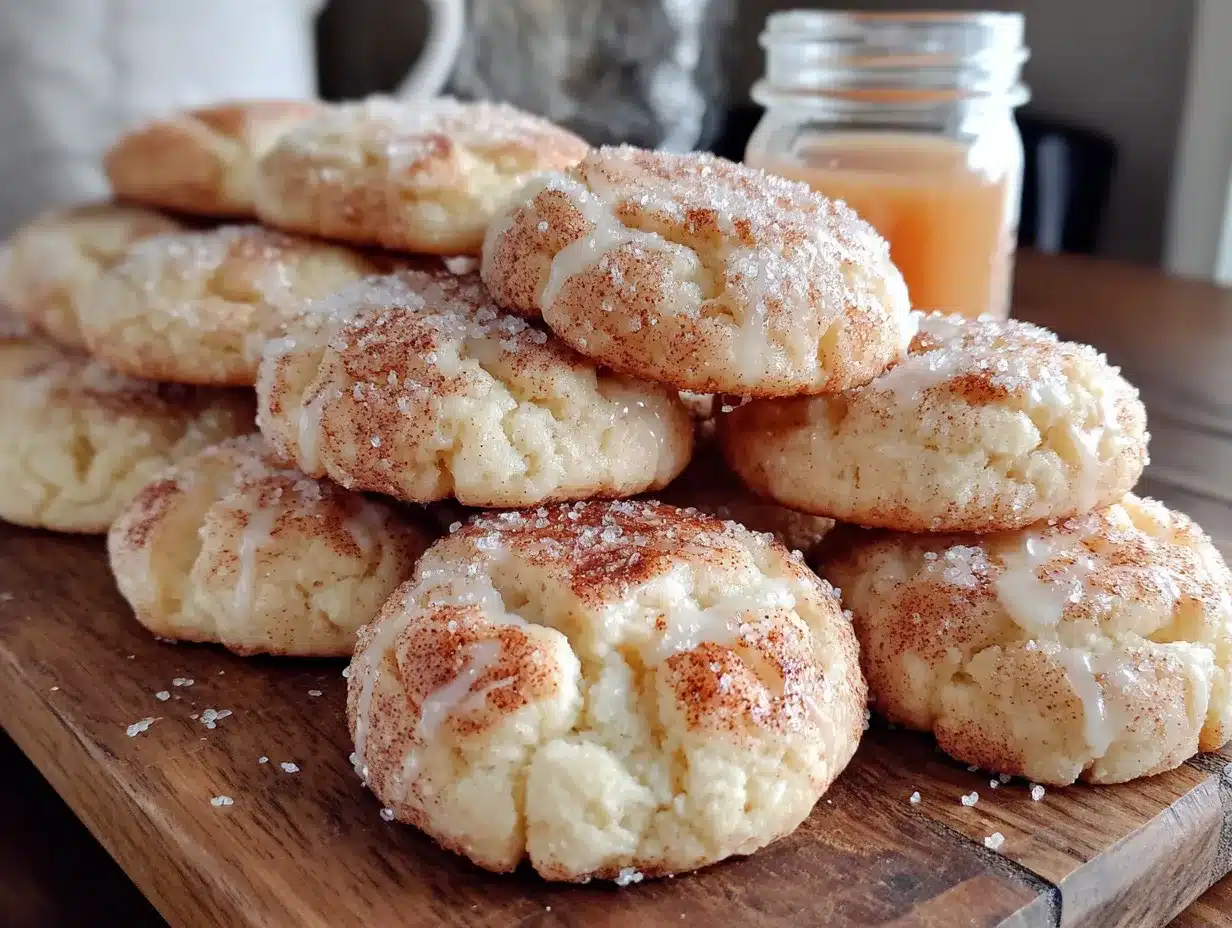
- Unbelievably Delicious: The texture is what gets me every time. They’re soft and cake-like with slightly crisp edges, and the flavor is this gentle apple cider sweetness with warm cinnamon and a hint of nutmeg. It’s like biting into autumn itself.
What makes these cookies different from every other apple cookie recipe out there? It’s the way the apple cider gets reduced down into a concentrated syrup that infuses the entire dough with deep, fruity flavor without making it watery. I tested this method about four times before I got it right—the first batch was too bland, the second was too wet, the third was perfect, and the fourth was just me eating the third batch and calling it “quality control.” This isn’t just another recipe; it’s the one I keep coming back to, and I think you will too.
What Ingredients You Will Need
This recipe uses simple, wholesome ingredients that work together to create something truly special. Most of these are pantry staples, and the apple cider is the only thing you might need to pick up—but honestly, it’s worth the trip.
- Apple Cider – 1/2 cup (120 ml). This is the star of the show. You’ll reduce it on the stovetop to concentrate the flavor. I recommend using fresh, unfiltered apple cider if you can find it—it has a richer, more authentic apple taste. Don’t use apple juice; it’s too thin and sweet.
- Unsalted Butter – 1/4 cup (57 grams), softened to room temperature. If you forget to set it out (like I always do), you can microwave it in 5-second bursts until it’s soft but not melted.
- Granulated Sugar – 1/3 cup (67 grams). Adds just the right amount of sweetness without overpowering the apple flavor.
- Light Brown Sugar – 2 tablespoons (25 grams), packed. This adds a touch of molasses depth that pairs beautifully with the cinnamon and apple cider.
- Large Egg Yolk – 1. Using just the yolk gives the cookies a tender, rich texture without making the dough too wet. Save the egg white for an omelet or breakfast scramble!
- Vanilla Extract – 1/2 teaspoon. Pure vanilla extract is best, but imitation works in a pinch.
- All-Purpose Flour – 1 cup (125 grams). Spoon and level your flour for the most accurate measurement—scooping directly from the bag can pack it down and lead to dry cookies.
- Baking Powder – 1/2 teaspoon. Gives the cookies their soft, cake-like lift.
- Baking Soda – 1/4 teaspoon. Helps with browning and texture.
- Salt – 1/4 teaspoon. Don’t skip this—it balances the sweetness and enhances the apple flavor.
- Ground Cinnamon – 1 teaspoon. Warm, sweet, and essential for that cozy fall vibe.
- Ground Nutmeg – 1/4 teaspoon. Just a pinch adds a subtle, aromatic depth.
- Optional Glaze: 1/2 cup (60 grams) powdered sugar mixed with 1 to 2 tablespoons of apple cider. This takes the cookies from delicious to absolutely irresistible.
For the best texture, I recommend using a good quality cinnamon—I personally love Penzeys Vietnamese Cinnamon for its intense warmth. And if you’re feeling adventurous, you can add a pinch of ground cloves or allspice for even more spice complexity.
Equipment Needed
You don’t need a fancy kitchen to make these cookies work. Here’s what you’ll need:
- Small Saucepan – For reducing the apple cider. A 1-quart saucepan works perfectly.
- Mixing Bowls – One medium bowl for dry ingredients, one small bowl for wet ingredients. I use my favorite ceramic bowls, but any will do.
- Hand Mixer or Whisk – A hand mixer makes creaming the butter and sugar easier, but a sturdy whisk and some elbow grease work just fine.
- Baking Sheet – A standard half-sheet pan. Line it with parchment paper for easy cleanup.
- Cookie Scoop – A 1.5-tablespoon scoop ensures even-sized cookies. If you don’t have one, use two spoons to portion the dough.
- Cooling Rack – Lets the cookies cool evenly so they don’t get soggy on the bottom.
- Measuring Cups and Spoons – Accurate measurements matter in baking, so use proper measuring tools.
If you don’t have a hand mixer, you can cream the butter and sugar by hand—it just takes a few extra minutes and a good arm workout. Trust me, I’ve done it many times when my mixer was buried in the back of the cabinet.
Preparation Method
- Reduce the Apple Cider
Pour 1/2 cup of apple cider into a small saucepan and bring it to a gentle boil over medium heat. Reduce the heat to low and let it simmer for about 8 to 10 minutes, stirring occasionally, until it reduces to about 2 tablespoons. It should be slightly syrupy and smell intensely of apples. Watch it carefully near the end—it can burn quickly. Remove from heat and let it cool completely while you prepare the rest of the ingredients. This step is non-negotiable; the concentrated cider is what gives these cookies their deep, authentic flavor without making the dough too wet. - Preheat and Prep
Preheat your oven to 350°F (175°C). Line a baking sheet with parchment paper. This ensures the cookies bake evenly and don’t stick. - Cream Butter and Sugars
In a medium mixing bowl, beat the softened butter, granulated sugar, and brown sugar together until light and fluffy—about 2 to 3 minutes with a hand mixer on medium speed. Scrape down the sides of the bowl halfway through. The mixture should look pale and slightly increased in volume. If you’re doing this by hand, expect about 4 to 5 minutes of enthusiastic whisking. - Add Wet Ingredients
Add the egg yolk and vanilla extract to the butter mixture, and beat until well combined—about 30 seconds. Then, add the cooled, reduced apple cider syrup and mix until just incorporated. The batter will look a bit thin at this point; don’t worry, that’s normal. - Combine Dry Ingredients
In a separate small bowl, whisk together the flour, baking powder, baking soda, salt, cinnamon, and nutmeg. Make sure there are no lumps, especially from the baking powder. - Mix Wet and Dry
Gradually add the dry ingredients to the wet mixture, mixing on low speed or folding with a spatula until just combined. Do not overmix—stop as soon as you no longer see streaks of flour. The dough will be soft and slightly sticky, which is exactly what you want. - Scoop and Shape
Using a 1.5-tablespoon cookie scoop or two spoons, portion the dough into rounded mounds and place them on the prepared baking sheet, spacing them about 2 inches apart. These cookies spread a little, so give them room to breathe. You should get about 10 to 12 cookies. - Bake
Bake for 10 to 12 minutes, or until the edges are set and lightly golden, but the centers still look slightly soft and puffy. The tops might look a little crackly—that’s a good sign. Don’t overbake; they’ll continue to set on the baking sheet as they cool. - Cool
Let the cookies cool on the baking sheet for 5 minutes. This allows them to firm up enough to transfer without breaking. Then, carefully move them to a wire cooling rack to cool completely. If you’re adding the glaze, wait until they’re fully cool—about 20 minutes. - Optional Glaze
In a small bowl, whisk together the powdered sugar and 1 to 2 tablespoons of apple cider until smooth. The glaze should be thick but drizzle-able. Drizzle it over the cooled cookies using a spoon or a piping bag with the tip snipped off. Let the glaze set for about 10 minutes before serving.
Cooking Tips & Techniques
I’ve made these cookies more times than I care to count, and I’ve learned a few things the hard way so you don’t have to. Here are my best tips:
Don’t skip reducing the cider. I know it’s an extra step, but it’s the secret to the whole recipe. If you add full-strength apple cider to the dough, you’ll end up with flat, soggy cookies that taste more like sadness than autumn. The reduction concentrates the flavor and removes excess water, giving you that intense apple taste without ruining the texture.
Watch the cider like a hawk. The first time I made these, I got distracted by a text message and nearly burned the cider. It goes from perfectly syrupy to burnt and bitter in about 30 seconds. Keep an eye on it, and swirl the pan occasionally. When it coats the back of a spoon, it’s ready.
Room temperature butter matters. I know, I know—it’s annoying to wait. But cold butter doesn’t cream properly, and melted butter changes the texture. If you’re in a hurry, cut the butter into small cubes and let it sit for 10 minutes, or microwave it in 5-second bursts until it’s soft to the touch but not liquid.
Measure your flour correctly. Spoon it into your measuring cup and level it off with a knife. Scooping directly from the bag can add up to 20% more flour, which makes dry, dense cookies. I learned this the hard way when my first batch came out like hockey pucks.
Chill the dough if it’s too sticky. On humid days, the dough might be stickier than usual. If you’re having trouble scooping it, pop the bowl in the fridge for 15 minutes. It firms up just enough to handle easily.
Bake one tray at a time. If you’re doubling the recipe, bake the cookies in batches on the center rack. Baking two trays at once leads to uneven baking, and nobody wants half-raw, half-burnt cookies.
Variations & Adaptations
One of the best things about this recipe is how easy it is to tweak. Here are a few variations I’ve tried and loved:
Gluten-Free Option: Substitute the all-purpose flour with a 1:1 gluten-free baking flour blend. I’ve had great results with King Arthur Measure for Measure. The texture is slightly more delicate, but the flavor is still spot-on.
Vegan Version: Use vegan butter (I like Miyoko’s) and replace the egg yolk with 1 tablespoon of aquafaba (the liquid from a can of chickpeas) mixed with 1/2 teaspoon of cornstarch. The cookies won’t be quite as tender, but they’re still delicious.
Add Mix-Ins: Fold in 1/3 cup of chopped pecans, walnuts, or dried cranberries after combining the wet and dry ingredients. The crunch adds a lovely contrast to the soft cookie.
Spice It Up: For a bolder spice profile, add 1/4 teaspoon of ground ginger and a pinch of ground cloves to the dry ingredients. It gives the cookies a chai-like warmth that’s perfect for cold evenings.
Maple Twist: Replace the brown sugar with 2 tablespoons of pure maple syrup. Reduce the apple cider by an extra tablespoon to account for the added liquid. The maple and apple combination is absolutely dreamy.
Brown Butter Variation: Brown the butter before creaming it with the sugars. Melt the butter in a saucepan over medium heat, swirling occasionally, until it turns golden brown and smells nutty—about 3 to 4 minutes. Let it cool to room temperature before using. This adds an incredible depth of flavor that takes the cookies to another level.
Serving & Storage Suggestions
These cookies are best served slightly warm, when the edges are still a little crisp and the center is soft and tender. If you’ve made the glaze, let it set completely before stacking or storing. I like to serve them on a small plate with a hot mug of—you guessed it—apple cider, or a cup of chai tea for a cozy pairing.
For a dessert spread, they pair beautifully with vanilla ice cream or a dollop of lightly sweetened whipped cream. Sometimes I crumble one over a bowl of Greek yogurt for a decadent breakfast that feels like a treat.
Storage: Store the cookies in an airtight container at room temperature for up to 3 days. If you’ve glazed them, place a sheet of parchment paper between layers to prevent sticking. They’ll stay soft and delicious, though the edges might lose a bit of their crispness.
Freezing: You can freeze the baked cookies (unglazed) for up to 2 months. Place them in a single layer on a baking sheet and freeze until solid, then transfer to a freezer-safe bag or container. To thaw, let them sit at room temperature for about 30 minutes. Add the glaze after thawing for the best presentation.
Freezing the Dough: Scoop the dough into balls and place them on a parchment-lined baking sheet. Freeze until solid, then transfer to a freezer bag. You can bake them directly from frozen—just add 2 to 3 minutes to the baking time. This is my favorite trick for having fresh cookies on demand without the mess.
The flavors actually deepen after a day or two, so don’t be discouraged if they taste even better on day two. That is, if they last that long.
Nutritional Information & Benefits
Per cookie (based on 12 cookies, without glaze): approximately 130 calories, 6g fat, 18g carbohydrates, 1g fiber, 10g sugar, 2g protein. These are estimated values and will vary based on specific ingredients used.
While these cookies are certainly a treat, they do offer a few small benefits. The apple cider provides a touch of vitamin C and antioxidants, and the cinnamon is known for its anti-inflammatory properties. Using just an egg yolk instead of a whole egg reduces the cholesterol slightly, and the small-batch size makes portion control easier—you get just enough to satisfy the craving without overindulging.
For a lighter option, you can reduce the sugar to 1/4 cup granulated and omit the brown sugar, though the texture will be slightly less tender. You can also use a sugar substitute like monk fruit sweetener, but I haven’t tested that myself, so proceed with caution.
As always, these cookies are best enjoyed as part of a balanced diet. They’re comfort food, and comfort is good for the soul.
Conclusion
Honestly, these Light & Cozy Small-Batch Apple Cider Cookies have become my favorite way to celebrate the cozy season without going overboard. They’re simple enough for a random Tuesday night, special enough for a holiday gathering, and just the right size for when you want something homemade but don’t need a mountain of leftovers. The apple cider reduction is a little trick that makes a huge difference, and once you try it, you’ll never go back.
I love how forgiving this recipe is—you can tweak the spices, add mix-ins, or skip the glaze entirely, and they’re still wonderful. That’s the kind of recipe I want to share with you. So go ahead, grab that bottle of apple cider from the fridge, and give these a try. I think you’ll be pleasantly surprised at what a little late-night experimentation can create.
If you make these cookies, I’d love to hear about it! Leave a comment below and let me know how they turned out, or tag me in your photos if you share them on social media. Did you add pecans? Try the maple version? Burn the cider like I did the first time? Tell me all about it. Happy baking, friends!
Frequently Asked Questions
Can I use apple juice instead of apple cider?
I wouldn’t recommend it. Apple juice is thinner and sweeter, and it doesn’t have the same rich, tangy flavor that apple cider brings. The reduction step relies on the cider’s natural complexity, and juice just won’t give you the same depth. Stick with cider for the best results.
Why did my cookies turn out flat?
Flat cookies usually mean your butter was too soft or melted, or your baking powder is old. Make sure your butter is softened but not greasy, and check the expiration date on your leavening agents. Also, measure your flour correctly—too little flour can cause spreading.
Can I make these cookies dairy-free?
Absolutely. Use a high-quality vegan butter stick (not spreadable margarine) in place of regular butter. I’ve had good luck with Country Crock Plant Butter sticks. The texture will be slightly different, but the flavor is still wonderful.
How do I know when the apple cider is reduced enough?
It should be thick enough to coat the back of a spoon, and you should have about 2 tablespoons left. It will look syrupy and smell intensely of apples. If you tilt the pan and it moves slowly, you’re there. Don’t let it go too far, or it will turn into caramel and burn.
Can I double this recipe?
Yes, you can easily double all the ingredients. Just keep in mind that you’ll need to reduce the apple cider in a larger saucepan, and it might take a few extra minutes. Bake the cookies in batches on a single tray at a time for even results. The cookies freeze beautifully, so doubling is a great idea if you want to stock up.
PrintBest Small-Batch Apple Cider Cookies – Easy Homemade Recipe
These soft, cake-like apple cider cookies are made with a concentrated apple cider syrup for deep, fruity flavor. Perfect for cozy nights, this small-batch recipe yields about 10-12 cookies and comes together in under 30 minutes.
- Prep Time: 15 minutes
- Cook Time: 12 minutes
- Total Time: 27 minutes
- Yield: 10-12 cookies 1x
- Category: Dessert
- Cuisine: American
Ingredients
- 1/2 cup (120 ml) apple cider
- 1/4 cup (57 g) unsalted butter, softened
- 1/3 cup (67 g) granulated sugar
- 2 tablespoons (25 g) light brown sugar, packed
- 1 large egg yolk
- 1/2 teaspoon vanilla extract
- 1 cup (125 g) all-purpose flour
- 1/2 teaspoon baking powder
- 1/4 teaspoon baking soda
- 1/4 teaspoon salt
- 1 teaspoon ground cinnamon
- 1/4 teaspoon ground nutmeg
- For the optional glaze: 1/2 cup (60 g) powdered sugar mixed with 1-2 tablespoons apple cider
Instructions
- Reduce the apple cider: Pour 1/2 cup apple cider into a small saucepan. Bring to a gentle boil over medium heat, then reduce to low and simmer for 8-10 minutes, stirring occasionally, until reduced to about 2 tablespoons. Remove from heat and let cool completely.
- Preheat oven to 350°F (175°C). Line a baking sheet with parchment paper.
- In a medium bowl, beat softened butter, granulated sugar, and brown sugar together until light and fluffy, about 2-3 minutes with a hand mixer on medium speed.
- Add egg yolk and vanilla extract; beat until well combined, about 30 seconds. Mix in the cooled reduced apple cider syrup until just incorporated.
- In a separate small bowl, whisk together flour, baking powder, baking soda, salt, cinnamon, and nutmeg.
- Gradually add dry ingredients to wet mixture, mixing on low speed or folding with a spatula until just combined. Do not overmix. Dough will be soft and slightly sticky.
- Using a 1.5-tablespoon cookie scoop or two spoons, portion dough into rounded mounds and place on prepared baking sheet, spacing about 2 inches apart. You should get 10-12 cookies.
- Bake for 10-12 minutes, until edges are set and lightly golden but centers still look slightly soft and puffy. Do not overbake.
- Let cookies cool on baking sheet for 5 minutes, then transfer to a wire cooling rack to cool completely.
- For optional glaze: In a small bowl, whisk together powdered sugar and 1-2 tablespoons apple cider until smooth. Drizzle over cooled cookies. Let glaze set for about 10 minutes before serving.
Notes
Don’t skip reducing the cider—it concentrates flavor and removes excess water. Watch the cider carefully near the end to avoid burning. Use room temperature butter for proper creaming. Measure flour by spooning and leveling for accuracy. On humid days, chill dough for 15 minutes if too sticky. Bake one tray at a time for even results.
Nutrition
- Serving Size: 1 cookie
- Calories: 130
- Sugar: 10
- Sodium: 95
- Fat: 6
- Saturated Fat: 3.5
- Carbohydrates: 18
- Fiber: 1
- Protein: 2
Keywords: apple cider cookies, small batch cookies, fall cookies, easy cookie recipe, apple cinnamon cookies