The woman at the community garden wiped her hands on her apron and watched me fumbling with a bag of ginger root. I was trying to look like I knew what I was doing, but honestly, I had no plan for it. She didn’t say anything at first. Then she reached into her basket and pulled out a crumpled piece of paper with handwriting so tiny I had to squint. “For the cookies,” she said. “The ones that stick to your ribs and your memory.” I laughed, thanked her, and shoved the paper into my pocket without reading it. Three weeks later, on a rainy Tuesday that felt heavy and gray, I found it again in my coat. That evening, these best soft gingerbread cookies with molasses icing came to life in my kitchen, and let me tell you—something shifted. The house smelled like December in October. I burned the first batch because I got distracted by a phone call, but the second batch? That was the one. I keep making them because every bite tastes like that moment of unexpected kindness. Maybe you’ve been there—when a recipe finds you, not the other way around.
Why You’ll Love This Recipe
I’ve tested this recipe more times than I care to admit. After a few disasters (dry cookies, flat cookies, cookies that tasted like sadness), I finally nailed it. These cookies are the real deal. Here’s why they stand out:
- Quick & Easy: From start to finish, these come together in about 30 minutes. Perfect for those evenings when you need comfort fast.
- Simple Ingredients: You probably have most of these in your pantry right now. No weird specialty items needed.
- Perfect for Cozy Nights: Whether it’s snowing outside or you just need a pick-me-up, these cookies deliver warmth in every bite.
- Crowd-Pleaser: I’ve brought these to potlucks and family gatherings. They disappear within minutes, every single time.
- Unbelievably Delicious: The texture is soft and pillowy, not cakey or dry. The molasses icing adds this rich, deep sweetness that makes you close your eyes after the first bite.
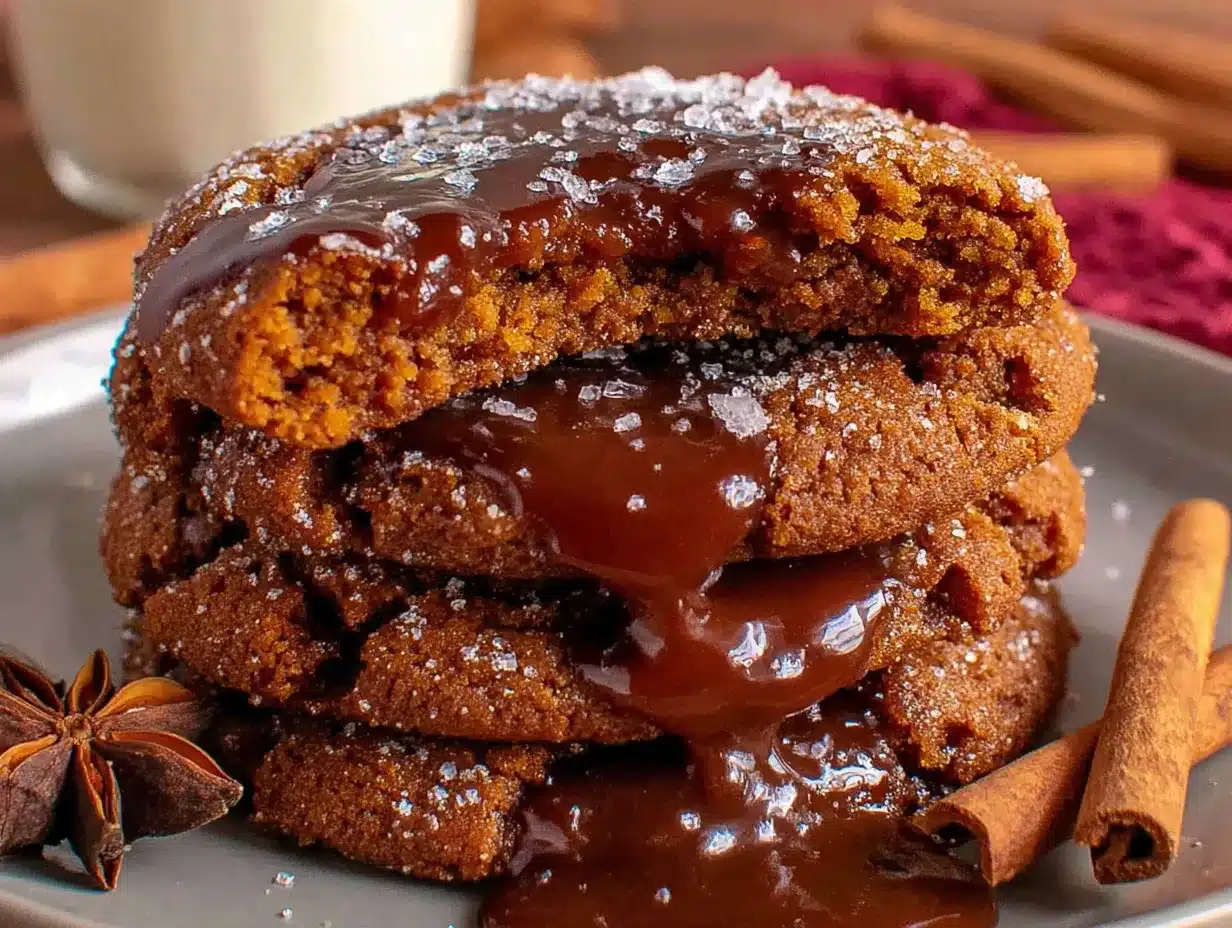
What makes these different from other gingerbread cookies? It’s the technique. I use a combination of melted butter and brown sugar that creates a tender crumb without needing to cream anything. Plus, the molasses icing is brushed on while the cookies are still warm, so it seeps into the surface just enough. This isn’t just another gingerbread recipe—it’s the one that will become your go-to for years.
What Ingredients You Will Need
This recipe uses simple, honest ingredients that work together to create something truly special. Most of these are pantry staples, which makes these cookies perfect for spontaneous baking sessions.
For the Cookies
- All-purpose flour – 2 ¼ cups (280g). Spoon and level your flour for best results. Too much flour makes tough cookies.
- Baking soda – 1 teaspoon. This helps the cookies spread just enough.
- Ground ginger – 2 teaspoons. Use fresh ground ginger if you can find it. I prefer McCormick for consistent flavor.
- Ground cinnamon – 1 teaspoon. Adds warmth and depth.
- Ground cloves – ½ teaspoon. A little goes a long way, but don’t skip it.
- Salt – ½ teaspoon. Balances the sweetness.
- Unsalted butter – ½ cup (113g), melted and slightly cooled. Melting the butter is the secret to soft cookies.
- Brown sugar – ½ cup (100g), packed. Light or dark works, but dark brown sugar adds more molasses flavor.
- Molasses – ½ cup (170g). Use unsulphured molasses, not blackstrap. Grandma’s or Brer Rabbit are solid choices.
- Large egg – 1, at room temperature. Cold egg can seize the butter mixture.
- Vanilla extract – 1 teaspoon. Pure vanilla makes a difference here.
For the Molasses Icing
- Powdered sugar – 1 cup (120g), sifted if lumpy.
- Molasses – 2 tablespoons. The same kind you used for the cookies.
- Milk – 2-3 tablespoons. Start with less and add more as needed. Whole milk gives the creamiest result.
- Vanilla extract – ½ teaspoon.
If you’re out of brown sugar, you can substitute ½ cup white sugar mixed with 1 tablespoon molasses. For a dairy-free version, use coconut oil instead of butter and oat milk in the icing. Just know the texture will be slightly different—still good, but not quite as tender.
Equipment Needed
You don’t need a fancy kitchen for these cookies. Here’s what I use:
- Large mixing bowl – Any bowl works, but I prefer glass or ceramic. Metal can sometimes leave a taste.
- Whisk – For combining dry ingredients. A fork works in a pinch.
- Wooden spoon or spatula – For mixing the dough. I’ve broken a few cheap spatulas on stiff dough, so get a sturdy one.
- Baking sheets – Two standard half-sheet pans. Line them with parchment paper or a silicone baking mat. No greasing needed.
- Cookie scoop – A 1.5-tablespoon scoop gives consistent cookies. If you don’t have one, use two spoons.
- Cooling rack – Essential for letting the icing set. A wire rack is best.
- Pastry brush – For applying the icing. A silicone brush works better than natural bristles here.
Budget tip: Skip the fancy cookie scoop and use a regular tablespoon. The cookies will still taste amazing, even if they’re not perfectly round.
Preparation Method
- Preheat your oven to 350°F (175°C). Line two baking sheets with parchment paper. Do this first so the oven is ready when you are.
- Whisk the dry ingredients. In a large bowl, combine the flour, baking soda, ginger, cinnamon, cloves, and salt. Whisk until everything is evenly distributed. This takes about 30 seconds.
- Mix the wet ingredients. In a separate bowl (or the same one if you’re lazy like me), whisk together the melted butter and brown sugar until smooth. It should look like wet sand. Add the molasses, egg, and vanilla. Whisk until fully combined. The mixture will be thick and smell incredible.
- Combine wet and dry. Pour the wet mixture into the dry mixture. Stir with a wooden spoon or spatula until just combined. Don’t overmix—stop as soon as you don’t see any more flour streaks. The dough will be soft and slightly sticky. That’s perfect.
- Chill the dough (optional but recommended). Cover the bowl and refrigerate for 15-20 minutes. This makes the dough easier to handle and prevents excessive spreading. If you’re in a hurry, skip this step—the cookies will just be a bit flatter.
- Scoop the dough. Use your cookie scoop or a tablespoon to portion out rounded balls of dough. Place them 2 inches apart on the prepared baking sheets. You should get about 18-20 cookies.
- Bake. Bake one sheet at a time for 10-12 minutes. The cookies should look puffed and set around the edges but still soft in the center. They will continue to set as they cool. If you bake them until they look fully done, they’ll be overbaked.
- Cool slightly. Let the cookies rest on the baking sheet for 5 minutes. This is important—they need this time to firm up. Then transfer them to a cooling rack.
- Make the icing. While the cookies are cooling, whisk together the powdered sugar, molasses, milk, and vanilla. Start with 2 tablespoons of milk and add more if needed. The icing should be thick but pourable, like heavy cream.
- Ice the cookies. While the cookies are still warm (but not hot), brush a thin layer of icing over each one. The warmth helps the icing set into a glossy finish. Let them cool completely on the rack. The icing will harden slightly but stay soft underneath.
A note on timing: If you’re making these for a party, bake them a day ahead. Store them in an airtight container without the icing, then ice them the morning of your event. The cookies stay soft, and the icing stays fresh.
Cooking Tips & Techniques
I’ve made these cookies at least twenty times, and I’ve learned a few things the hard way. Here’s what I wish someone had told me:
Don’t overbake. This is the number one mistake. Gingerbread cookies go from soft to rock-hard in about 60 seconds. Pull them out when they look slightly underdone in the center. They’ll finish cooking on the hot baking sheet. Trust me on this—I’ve ruined batches by being too patient.
Use fresh spices. Ground ginger loses its punch after about six months. If your spices have been sitting in the cabinet for years, your cookies will taste flat. I learned this when I made a batch that tasted like nothing. Replace your spices every year, especially during the holidays.
Measure molasses carefully. Molasses is sticky and stubborn. Spray your measuring cup with nonstick spray before measuring, and it will slide right out. Or use a silicone measuring cup. I forgot to do this once and spent ten minutes scrubbing molasses off my counter.
Chill if you have time. The 15-minute chill isn’t mandatory, but it makes a difference. Chilled dough spreads less and produces thicker, softer cookies. If you skip it, your cookies will be thinner and slightly crisper around the edges. Both versions are good, just different.
Multitask smartly. While the first batch bakes, scoop the second batch onto the other baking sheet. That way, you can pop them in as soon as the first batch comes out. This saves at least 10 minutes.
Variations & Adaptations
One of the best things about this recipe is how flexible it is. Here are some ways I’ve adapted it over the years:
Spiced Up Version: Add ½ teaspoon of black pepper and ¼ teaspoon of cardamom to the dry ingredients. The pepper adds a subtle heat that pairs beautifully with the molasses. I tried this on a whim after reading about peppered gingerbread in an old cookbook, and it was a revelation.
Gluten-Free Option: Substitute the all-purpose flour with a 1:1 gluten-free baking flour. I’ve used Bob’s Red Mill and King Arthur brands with good results. The texture is slightly more delicate, so handle the dough gently. Add an extra tablespoon of milk if the dough seems dry.
Vegan Version: Replace the butter with melted coconut oil and the egg with a flax egg (1 tablespoon ground flaxseed mixed with 3 tablespoons water, left to sit for 5 minutes). Use oat milk in the icing. The cookies will be a bit less tender but still delicious. My vegan friend couldn’t tell the difference.
Citrus Twist: Add the zest of one orange to the wet ingredients. The orange brightens up the warm spices and adds a lovely freshness. I do this version during the holidays when oranges are at their peak.
Chocolate Drizzle: Skip the molasses icing and drizzle melted dark chocolate over the cooled cookies instead. It’s indulgent and surprisingly good with the gingerbread flavor.
Serving & Storage Suggestions
These cookies are best served at room temperature with a tall glass of cold milk or a steaming mug of chai tea. The combination of soft cookie and creamy drink is pure comfort.
For a cozy dessert plate, arrange a few cookies alongside vanilla ice cream and a drizzle of caramel sauce. The warm spices contrast beautifully with the cold, creamy ice cream. I did this for a dinner party once, and people asked for the recipe before they even finished their plates.
Storage: Keep the cookies in an airtight container at room temperature for up to 5 days. Place a slice of bread in the container to keep them extra soft—the bread absorbs excess air and releases moisture. Replace the bread slice every two days.
Freezing: These cookies freeze beautifully. Freeze them un-iced in a single layer on a baking sheet, then transfer to a freezer-safe bag. They’ll keep for up to 3 months. Thaw at room temperature, then ice them fresh. The flavor actually improves after freezing—the spices meld together even more.
Reheating: Pop a cookie in the microwave for 10 seconds to bring back that fresh-from-the-oven softness. Don’t overheat, or the icing will melt into a puddle.
Flavor development note: These cookies taste even better the next day. The spices settle and the molasses deepens. If you can resist eating them all immediately, you’ll be rewarded.
Nutritional Information & Benefits
Here’s the approximate nutritional breakdown per cookie (based on 20 cookies):
- Calories: 165
- Fat: 6g
- Carbohydrates: 26g
- Protein: 2g
- Fiber: 0.5g
- Sugar: 16g
These numbers are estimates and will vary based on your specific ingredients. If you use the gluten-free or vegan variations, the nutritional profile will shift.
On the health front, molasses is actually a decent source of iron, calcium, and magnesium. It’s not a health food, but it’s nice to know there’s something redeeming in that sweet, sticky goodness. Ginger has anti-inflammatory properties, and cinnamon can help regulate blood sugar. So while these are definitely a treat, they’re not entirely empty calories.
Dietary considerations: This recipe contains gluten, dairy, and eggs. See the variations section for allergen-friendly adaptations.
My personal take: I don’t believe in demonizing dessert. These cookies are meant to bring joy, not guilt. Enjoy them mindfully, share them generously, and don’t stress about the numbers.
Conclusion
These best soft gingerbread cookies with molasses icing are more than just a recipe—they’re a moment of warmth in cookie form. Every batch I make reminds me of that rainy Tuesday and the stranger who shared her handwritten recipe without expecting anything in return. That’s the kind of recipe worth passing on.
I hope you make these cookies on a day when you need a little comfort. Maybe it’s cold outside, maybe you’ve had a rough week, or maybe you just want something that tastes like home. Whatever the reason, these cookies will deliver. Don’t be afraid to tweak the spices to your liking, or to double the batch because one batch never lasts long.
I’d love to hear how yours turn out. Drop a comment below and let me know if you tried any of the variations, or if you came up with your own twist. Share a photo on Pinterest and tag me—I always love seeing your creations. Until next time, happy baking, and may your kitchen always smell like gingerbread.
Frequently Asked Questions
Can I use blackstrap molasses for this recipe?
I wouldn’t recommend it. Blackstrap molasses is much stronger and less sweet than regular unsulphured molasses. It will make your cookies taste bitter and overly dark. Stick with unsulphured molasses for the best flavor.
Why did my cookies turn out flat?
This usually happens for one of three reasons: your butter was too warm, you skipped the chill time, or you overmixed the dough. Make sure your melted butter is slightly cooled before adding the other ingredients, and don’t skip the 15-minute chill if you have time.
Can I make the dough ahead of time?
Absolutely. You can refrigerate the dough for up to 3 days. Just wrap it tightly in plastic wrap or store it in an airtight container. Let it sit at room temperature for 10 minutes before scooping and baking.
How do I get the icing to set properly?
The key is icing the cookies while they’re still warm. The residual heat helps the icing adhere and set into a glossy finish. If your icing is too thin, add a bit more powdered sugar. If it’s too thick, add a drop more milk.
Can I freeze the baked cookies with icing?
Yes, but the icing might get a bit sticky when thawed. For best results, freeze the cookies un-iced, then thaw and ice them fresh. If you’re short on time, freeze them iced in a single layer with parchment paper between layers.
Pin This Recipe!
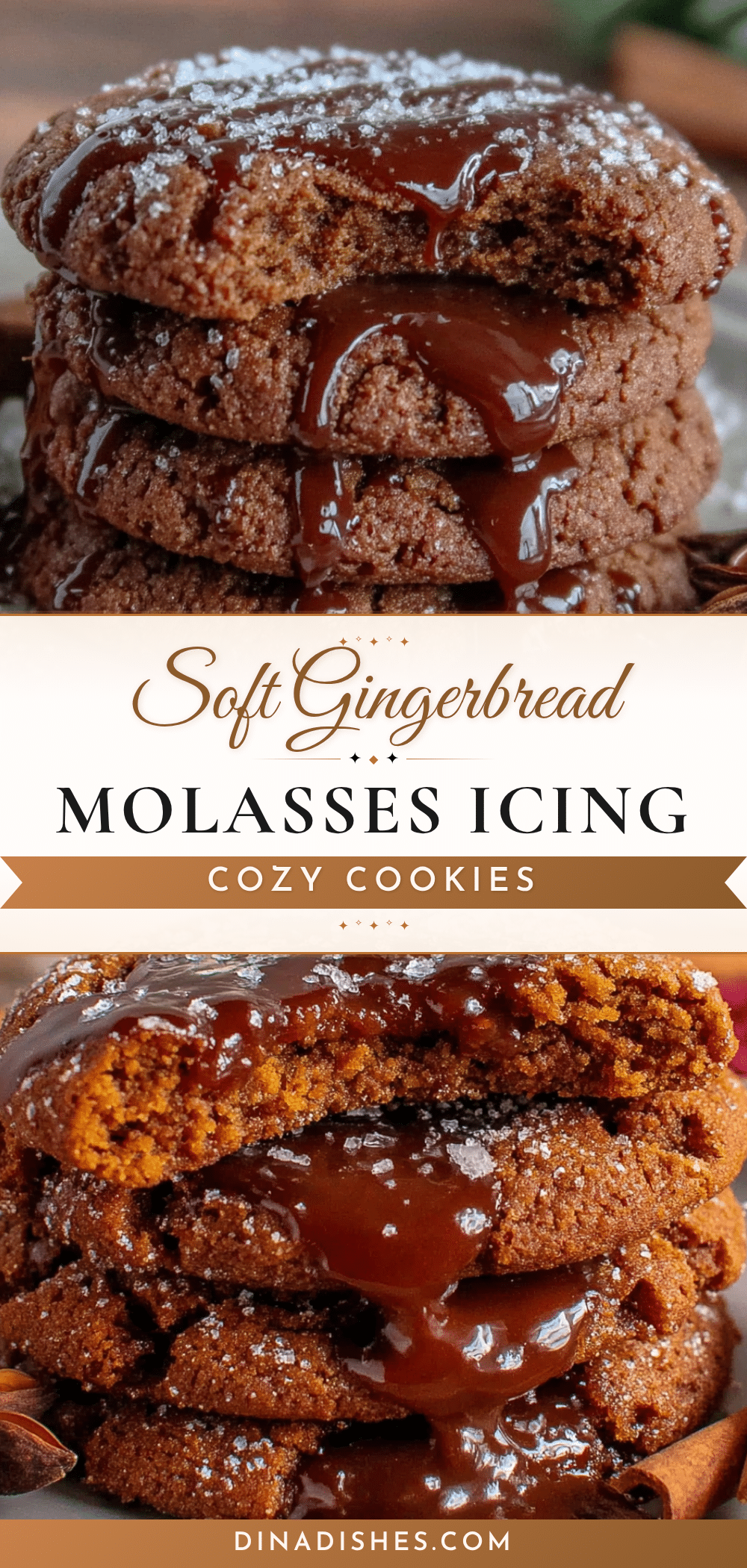
Best Soft Gingerbread Cookies with Molasses Icing
These soft and pillowy gingerbread cookies are brushed with a rich molasses icing while still warm, creating a tender crumb and deep sweetness. Perfect for cozy nights and holiday gatherings, they come together in about 30 minutes with simple pantry ingredients.
- Prep Time: 15 minutes
- Cook Time: 12 minutes
- Total Time: 30 minutes
- Yield: 20 cookies 1x
- Category: Dessert
- Cuisine: American
Ingredients
- 2 ¼ cups (280g) all-purpose flour
- 1 teaspoon baking soda
- 2 teaspoons ground ginger
- 1 teaspoon ground cinnamon
- ½ teaspoon ground cloves
- ½ teaspoon salt
- ½ cup (113g) unsalted butter, melted and slightly cooled
- ½ cup (100g) packed brown sugar (light or dark)
- ½ cup (170g) unsulphured molasses (not blackstrap)
- 1 large egg, at room temperature
- 1 teaspoon vanilla extract
- 1 cup (120g) powdered sugar, sifted if lumpy
- 2 tablespoons unsulphured molasses
- 2–3 tablespoons milk (whole milk preferred)
- ½ teaspoon vanilla extract
Instructions
- Preheat oven to 350°F (175°C). Line two baking sheets with parchment paper.
- In a large bowl, whisk together flour, baking soda, ginger, cinnamon, cloves, and salt until evenly distributed (about 30 seconds).
- In a separate bowl, whisk together melted butter and brown sugar until smooth. Add molasses, egg, and vanilla; whisk until fully combined (mixture will be thick).
- Pour wet mixture into dry mixture. Stir with a wooden spoon or spatula until just combined—do not overmix. Dough will be soft and slightly sticky.
- Optional but recommended: Cover bowl and refrigerate dough for 15-20 minutes for easier handling and less spreading.
- Using a cookie scoop or tablespoon, portion dough into rounded balls (about 1.5 tablespoons each). Place 2 inches apart on prepared baking sheets. You should get 18-20 cookies.
- Bake one sheet at a time for 10-12 minutes. Cookies should look puffed and set around edges but still soft in center. They will continue to set as they cool.
- Let cookies rest on baking sheet for 5 minutes, then transfer to a cooling rack.
- While cookies cool, whisk together powdered sugar, 2 tablespoons molasses, 2 tablespoons milk, and ½ teaspoon vanilla. Add more milk if needed to reach a thick but pourable consistency (like heavy cream).
- While cookies are still warm (but not hot), brush a thin layer of icing over each. Let cool completely on rack. Icing will harden slightly but stay soft underneath.
Notes
Don’t overbake—pull cookies when slightly underdone in center. Use fresh spices for best flavor. Spray measuring cup with nonstick spray before measuring molasses. Chilling dough (15-20 minutes) is optional but recommended for thicker cookies. For best results, ice cookies while still warm. Cookies taste even better the next day. Store in airtight container at room temperature for up to 5 days; place a slice of bread in container to keep soft. Freeze un-iced for up to 3 months.
Nutrition
- Serving Size: 1 cookie
- Calories: 165
- Sugar: 16
- Sodium: 135
- Fat: 6
- Saturated Fat: 3.5
- Carbohydrates: 26
- Fiber: 0.5
- Protein: 2
Keywords: soft gingerbread cookies, molasses icing, gingerbread, Christmas cookies, easy cookie recipe, holiday baking