I was at my neighbor Margot’s house last Tuesday to pick up a package that got delivered to her by mistake—happens all the time in our building—when she started talking about turkey. Not just any turkey, but a small, perfectly browned breast she had just pulled from the oven. The smell hit me before I even saw it. That nutty, warm, almost caramel-like scent of butter browning in a pan, mixed with the earthy punch of fresh sage. I wasn’t expecting cooking advice from my accountant neighbor, but there I was, standing in her tiny kitchen, watching her slice into the most gorgeous turkey I’d seen outside of a holiday spread.
Margot is quiet. She wears cardigans and drinks black tea. I’d never once thought of her as a food person. But that afternoon, she told me about her grandmother’s trick for making a weeknight turkey taste like something you’d serve at a dinner party. “The secret,” she said, wiping her hands on her apron, “is browning the butter first. It changes everything.” I nodded, a little embarrassed that I’d never thought to do that myself. Honestly, I’d always just melted butter and poured it over the bird like a lazy person. Margot’s version was a revelation.
I went home that night, bought a small turkey breast (just enough for two, because let’s face it, I’m not feeding a crowd on a random Tuesday), and gave it a try. The butter sizzled and turned golden, the sage leaves crisped up, and the whole apartment smelled like Thanksgiving in October. I mean, I actually opened my windows to let the neighbors smell it—that’s how good it was. Maybe you’ve been there, standing in your kitchen, wondering if a simple dinner can feel special. This recipe answers that question with a resounding yes. It’s the kind of dish that makes you look like you spent hours, when really, you just let butter do its magic.
Why You’ll Love This Recipe
Let me tell you why this brown butter sage turkey breast has become my go-to for hosting. I’ve tested it at least six times—twice for actual dinner parties, once for a very skeptical friend who “doesn’t like turkey,” and three times just for myself on lazy Sundays. It never fails.
- Quick & Easy: This comes together in under an hour. Yes, an hour. From fridge to table, you’re looking at about 45 minutes of cooking time plus 10 minutes of hands-on prep. Perfect for those nights when you want to impress but don’t have all afternoon.
- Simple Ingredients: Butter, sage, garlic, turkey breast, salt, pepper. That’s it. You probably have most of these in your kitchen right now. No fancy grocery trips, no hunting for obscure spices.
- Perfect for Small Gatherings: This recipe is designed for two people, which makes it ideal for a romantic dinner, a small anniversary celebration, or even just a fancy Tuesday night. It’s also easy to scale up if you’re hosting a few more—just double the butter and sage.
- Crowd-Pleaser: I’ve served this to people who swore they didn’t like turkey. They changed their minds. The brown butter adds a nutty richness that even turkey skeptics can’t resist, and the sage gives it that cozy, familiar flavor without being overwhelming.
- Unbelievably Delicious: The texture is where this really shines. The skin gets crispy and golden, while the meat stays juicy and tender. That first bite—where the brown butter, sage, and turkey all come together—is next-level comfort food. It’s the kind of dish that makes you close your eyes after the first bite.
What makes this recipe different from the rest? It’s the technique. Most turkey recipes tell you to rub butter under the skin or baste it while it cooks. Those work, sure. But browning the butter first? That’s a game-changer. The milk solids in the butter caramelize, creating a deep, toasty flavor that plain melted butter just can’t match. And the sage leaves get fried in that butter until they’re crispy and fragrant. It’s not just another version—it’s the best version.
What Ingredients You Will Need
This recipe uses simple, wholesome ingredients to deliver bold flavor and satisfying texture without the fuss. Most of these are pantry staples, but a few deserve a little extra attention.
- 1 boneless, skin-on turkey breast (about 1.5 to 2 pounds) – Look for a breast that’s evenly thick so it cooks uniformly. I prefer skin-on because that skin gets beautifully crispy under the broiler. If you can only find skinless, it’ll still taste great, but you’ll miss that golden crunch.
- 4 tablespoons unsalted butter – Use unsalted so you can control the salt level. I’ve tried this with salted butter, and it works, but the final dish can be a little salty. Stick with unsalted for the best balance. I recommend Kerrygold or any European-style butter for its higher fat content, which browns more evenly.
- 10 to 12 fresh sage leaves – Fresh sage is non-negotiable here. Dried sage just won’t give you the same aromatic punch or the crispy texture after frying. Look for leaves that are vibrant green and not wilted. If you grow sage in your garden (lucky you!), use the larger leaves for maximum flavor.
- 3 cloves garlic, smashed – Smashing the garlic releases its oils without mincing it too fine, which means it infuses the butter without burning. You’ll remove the cloves before serving, so no worries about biting into a chunk of garlic.
- 1 teaspoon kosher salt – Kosher salt is less dense than table salt, so it seasons more evenly. If you’re using table salt, reduce to about ¾ teaspoon.
- ½ teaspoon black pepper, freshly ground – Pre-ground pepper works in a pinch, but freshly ground gives you that bright, slightly floral heat that complements the sage.
- 1 tablespoon olive oil – This helps the turkey brown in the pan before it goes into the oven. It also raises the smoke point, so you can sear the turkey without burning the butter.
Substitution Guidance: If you’re feeding more than two people, double the turkey breast and use 6 tablespoons of butter with 15 sage leaves. For a dairy-free option, substitute the butter with a high-quality vegan butter (like Miyoko’s) and use avocado oil instead of olive oil. The flavor profile changes slightly, but it’s still delicious. I’ve also made this with chicken breasts when turkey wasn’t available—just reduce the cooking time to about 25 minutes.
Equipment Needed
You don’t need a lot of fancy gear for this recipe, which is part of its charm. Here’s what you’ll need:
- Oven-safe skillet (10 or 12-inch) – Cast iron is ideal because it holds heat beautifully and goes from stovetop to oven without a hitch. But any oven-safe skillet works—stainless steel, carbon steel, or even an enameled cast iron. Just make sure the handle can handle high heat (no plastic handles!).
- Instant-read thermometer – This is your best friend for perfectly cooked turkey. Don’t guess—check the temperature. Turkey is done at 165°F in the thickest part of the breast. I’ve ruined too many birds by eyeballing it, so trust me on this.
- Small saucepan – For browning the butter. You could do it in the skillet, but using a separate pan lets you control the butter’s color more easily without worrying about the turkey’s timing.
- Tongs – For flipping the turkey and handling the hot pan. Silicone-tipped tongs are gentle on the skin.
- Cutting board and sharp knife – For resting and slicing the turkey. A sharp knife makes all the difference when carving.
- Aluminum foil – For tenting the turkey while it rests. This keeps it warm without steaming the crispy skin.
If you don’t have an oven-safe skillet, you can sear the turkey in a regular pan and then transfer it to a baking dish. It’s one extra step, but it works just fine. I’ve done this at a friend’s house where the only skillet was nonstick with a plastic handle—no problem.
Preparation Method
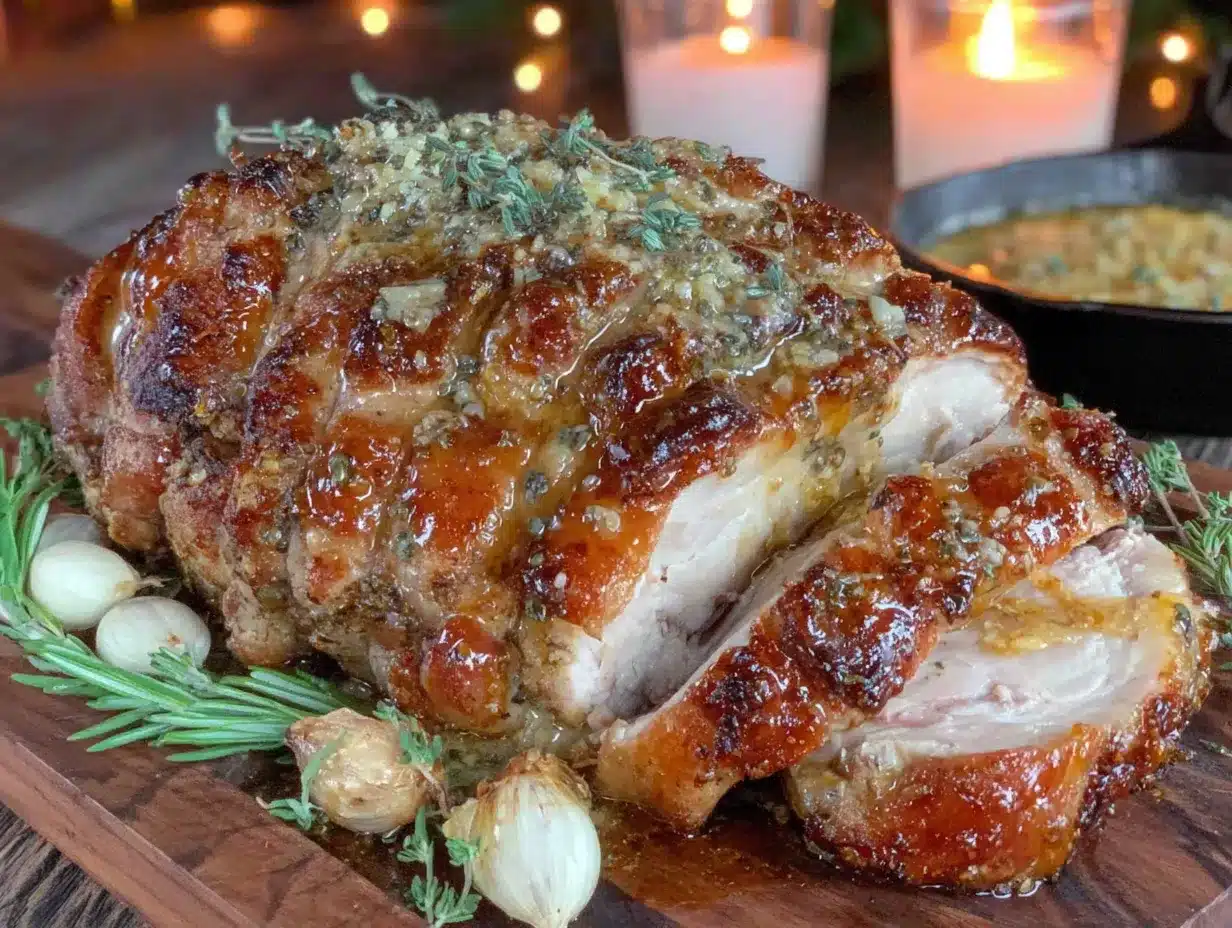
Let’s get cooking. This method is broken down into clear steps so you can follow along without stress. I’ve added some personal tips I learned the hard way—like the time I forgot to pat the turkey dry and ended up with soggy skin. Don’t be that person.
- Preheat your oven to 400°F (200°C). Position the rack in the center. While the oven heats, take the turkey breast out of the fridge and let it sit at room temperature for about 15 minutes. This helps it cook more evenly.
- Pat the turkey breast dry with paper towels. This is crucial. Moisture is the enemy of crispy skin. Really get in there and blot every surface. Season generously on all sides with the kosher salt and black pepper. Don’t be shy—the salt helps the skin crisp up and seasons the meat all the way through.
- Start the brown butter. In a small saucepan over medium heat, add the 4 tablespoons of unsalted butter. Let it melt, then swirl the pan occasionally. After about 3 to 4 minutes, the butter will start to foam. Watch closely—it will go from pale yellow to golden to a deep amber color with little brown specks at the bottom. That’s the milk solids toasting. When you smell a nutty aroma and see the specks, immediately remove the pan from the heat. This takes about 5 minutes total. Don’t walk away—burnt butter is bitter and ruins everything.
- Fry the sage leaves. While the butter is still hot, drop in the fresh sage leaves. They’ll sizzle and crisp up in about 30 seconds. Use tongs to transfer them to a paper towel-lined plate. They’ll darken slightly as they cool. Set them aside for garnish later.
- Sear the turkey. Heat the olive oil in your oven-safe skillet over medium-high heat until it shimmers. Carefully place the turkey breast skin-side down in the hot pan. Let it sear without moving for 4 to 5 minutes, until the skin is deep golden brown and crispy. Use tongs to flip the breast and sear the other side for 2 minutes. This step builds flavor and locks in juices.
- Add the brown butter and garlic. Pour the brown butter from the saucepan over the turkey breast, then add the smashed garlic cloves to the skillet. Let everything sizzle together for about 30 seconds, spooning some of the butter over the turkey.
- Transfer to the oven. Place the skillet in the preheated oven, uncovered. Roast for 20 to 25 minutes, depending on the thickness of your turkey breast. The internal temperature should reach 160°F to 165°F (71°C to 74°C) when measured in the thickest part. Start checking at 18 minutes if your breast is on the smaller side.
- Rest the turkey. Remove the skillet from the oven and transfer the turkey breast to a cutting board. Tent loosely with aluminum foil and let it rest for 10 minutes. This is non-negotiable—resting lets the juices redistribute so the meat stays moist. While it rests, pour the pan juices into a small bowl and set aside.
- Slice and serve. Slice the turkey against the grain into ½-inch thick pieces. Arrange on a serving platter, drizzle with the reserved pan juices, and garnish with the crispy sage leaves. Serve immediately.
Sensory cues: When you sear the turkey, listen for a steady sizzle—if it’s too loud, the pan is too hot; if it’s silent, the pan isn’t hot enough. The butter should smell like toasted nuts when it’s ready. The sage leaves will go from pliable to crackly in seconds. And when the turkey comes out of the oven, the skin should be a deep bronze color, and the juices should run clear when pierced with a knife.
Cooking Tips & Techniques
I’ve made this recipe enough times to know where things can go wrong. Here are the lessons I learned the hard way, so you don’t have to.
Don’t rush the brown butter. The first time I made this, I cranked the heat to high because I was impatient. The butter went from melted to burnt in about 45 seconds. It smelled like regret. Low and slow is the way to go—medium heat, constant attention, and pull it off the heat the second you see those brown specks. Trust your nose more than your eyes; the nutty aroma is your cue.
Pat the turkey dry twice. I know I said this already, but it bears repeating. Even if you think it’s dry, grab another paper towel and blot again. I once skipped this step because I was in a hurry, and the skin came out chewy rather than crispy. It was a sad, flabby mess. Don’t be me.
Use a thermometer. Please. I’m begging you. Turkey dries out so fast, and the difference between 160°F and 170°F is the difference between juicy and sawdust. I use a Thermapen because it reads in about 2 seconds, but any instant-read thermometer will do. Insert it into the thickest part of the breast, avoiding the bone if there is one. Pull the turkey at 160°F—it will carry over to 165°F while resting.
Multitask wisely. While the turkey rests, use that time to make a quick pan sauce or reheat any sides. The resting period is your window to get everything else ready. I usually toss some green beans in the same skillet with a little of the leftover brown butter—it takes 3 minutes and tastes amazing.
Keep an eye on the skin. If the skin isn’t crispy enough after roasting, you can pop the skillet under the broiler for 1 to 2 minutes. Watch it like a hawk—broilers are ruthless. I learned this after setting off my smoke detector at 11 PM on a Wednesday. Not my finest moment.
Variations & Adaptations
This recipe is forgiving, and I’ve played around with it more times than I care to admit. Here are some variations that actually work.
Herb Swap: Not a fan of sage? Try fresh rosemary or thyme instead. Rosemary gives it a piney, almost woodsy flavor that pairs beautifully with the brown butter. Thyme is more subtle and floral. I’ve done a mix of all three when I couldn’t decide, and it was fantastic. Just use the same amount—about 10 to 12 sprigs or leaves.
Citrus Twist: Add a strip of lemon or orange zest to the butter while it browns. The citrus oils infuse the butter and brighten up the richness of the turkey. I tried this on a whim one Sunday, and it’s now my go-to for spring dinners. Just remove the zest before pouring the butter over the turkey.
Spicy Kick: For a little heat, add a pinch of red pepper flakes to the brown butter along with the garlic. It doesn’t make the dish spicy—just gives it a warm, subtle tingle. My friend Dave, who puts hot sauce on everything, approved of this version.
Dairy-Free Adaptation: Substitute the butter with a high-quality vegan butter (I like Miyoko’s) and use avocado oil for searing. The brown butter effect isn’t as pronounced because vegan butter has different milk solids, but it still gets nutty and delicious. I’ve served this to dairy-free guests, and they didn’t miss a thing.
Oven-to-Table Presentation: If you’re hosting, serve the turkey directly in the cast-iron skillet. It looks rustic and impressive, and it keeps the meat warm longer. Just make sure to warn guests that the handle is hot—I’ve burned myself more times than I’d like to admit.
Serving & Storage Suggestions
This turkey breast is best served hot, straight from the oven, with that crispy skin still crackling. But here’s how to make the most of it.
Serving Temperature: Serve the turkey within 10 to 15 minutes of slicing. If it sits too long, the skin loses its crunch. I like to warm the plates in the oven at a low temperature (200°F) for a few minutes before serving—it keeps the meat hot longer.
What to Serve Alongside: This dish pairs beautifully with simple sides that don’t compete with the brown butter. Try roasted green beans with garlic, mashed potatoes with a drizzle of the pan juices, or a crisp arugula salad with lemon vinaigrette. For a heartier meal, add some crusty bread to soak up every last drop of butter. I’ve also served it with wild rice pilaf, and the nuttiness of the rice complements the brown butter perfectly.
Storage Instructions: Leftover turkey will keep in an airtight container in the refrigerator for up to 3 days. The skin will soften, but the flavor remains fantastic. To reheat, place slices in a skillet over medium-low heat with a splash of chicken broth or water. Cover and heat for about 3 to 4 minutes, until warmed through. Avoid the microwave—it turns the meat rubbery.
Freezer Tips: You can freeze cooked turkey slices for up to 2 months. Wrap them tightly in plastic wrap, then foil, and place in a freezer bag. Thaw overnight in the fridge before reheating. The texture won’t be quite as good as fresh, but it’s perfect for tossing into salads or sandwiches.
Flavor Development: Honestly, the leftovers taste even better the next day. The brown butter and sage have time to meld with the turkey, and the flavors deepen overnight. I’ve been known to make this recipe just for the leftovers—turkey sandwiches with a little mayo and arugula are a thing of beauty.
Nutritional Information & Benefits
Here’s a rough estimate for one serving (half the recipe, about 6 to 8 ounces of cooked turkey with butter):
- Calories: 380
- Protein: 45g
- Fat: 22g
- Saturated Fat: 12g
- Carbohydrates: 1g
- Fiber: 0g
- Sugar: 0g
- Sodium: 680mg
Turkey breast is a lean source of high-quality protein, rich in B vitamins (especially B6 and B12) and selenium, which supports immune function. The brown butter adds fat, yes, but it also provides a small amount of vitamin A and butyrate, a fatty acid that supports gut health. Sage has been used for centuries in traditional medicine for its antioxidant and anti-inflammatory properties—it’s also thought to support memory and brain health.
This recipe is naturally gluten-free and low-carb, making it suitable for keto and paleo diets. It contains dairy from the butter, but as mentioned, you can swap in dairy-free butter if needed. If you’re watching sodium, reduce the salt to ½ teaspoon and skip the extra salt in the pan juices.
Conclusion
This brown butter sage turkey breast is the kind of recipe that makes you feel like a hero in the kitchen without breaking a sweat. It’s simple enough for a weeknight, but impressive enough for a dinner party. The nutty brown butter, the crispy sage, the juicy turkey—it all comes together in under an hour with ingredients you can find anywhere.
I keep making this recipe because it reminds me of that Tuesday afternoon at Margot’s, standing in her tiny kitchen, realizing that the best cooking advice sometimes comes from the most unexpected places. It’s a reminder that you don’t need a fancy technique or a long ingredient list to make something memorable. Sometimes, you just need butter, sage, and a little bit of patience.
So go ahead—try it. Customize it with your favorite herbs or a squeeze of lemon. Make it for someone you love, or just for yourself on a quiet evening. And when you do, come back and let me know how it turned out. Did you add a twist? Did the neighbors come knocking? I’d love to hear your story in the comments below. Share this recipe with a friend who needs a little kitchen confidence, and don’t forget to pin it for later!
Frequently Asked Questions
Can I use boneless, skinless turkey breast?
Yes, you can, but the skin helps keep the meat moist and adds that crispy texture. If you use skinless, reduce the cooking time by about 5 minutes and check the temperature early. The flavor will still be great, but you’ll miss that golden crunch.
How do I know when the brown butter is ready?
Watch for the butter to turn a deep amber color with small brown specks at the bottom of the pan. You’ll also smell a nutty, toasty aroma. This usually takes 4 to 5 minutes over medium heat. If it smells burnt, you’ve gone too far—start over.
Can I prep this recipe ahead of time?
Absolutely. You can brown the butter and fry the sage leaves up to 2 days in advance. Store the butter in an airtight container in the fridge and the sage leaves in a paper towel-lined container at room temperature. When you’re ready to cook, just reheat the butter gently before searing the turkey.
What if I don’t have an oven-safe skillet?
No problem. Sear the turkey in any skillet, then transfer it to a baking dish or sheet pan before adding the brown butter and roasting. It’s one extra step, but the results are just as good. Just make sure to scrape up any browned bits from the skillet and add them to the baking dish.
How do I keep the turkey from drying out?
The keys are: patting it dry, searing it well, not overcooking it, and letting it rest. Use an instant-read thermometer and pull the turkey at 160°F—it will carry over to 165°F while resting. Also, don’t skip the resting step; it’s crucial for juicy meat.
Pin This Recipe!
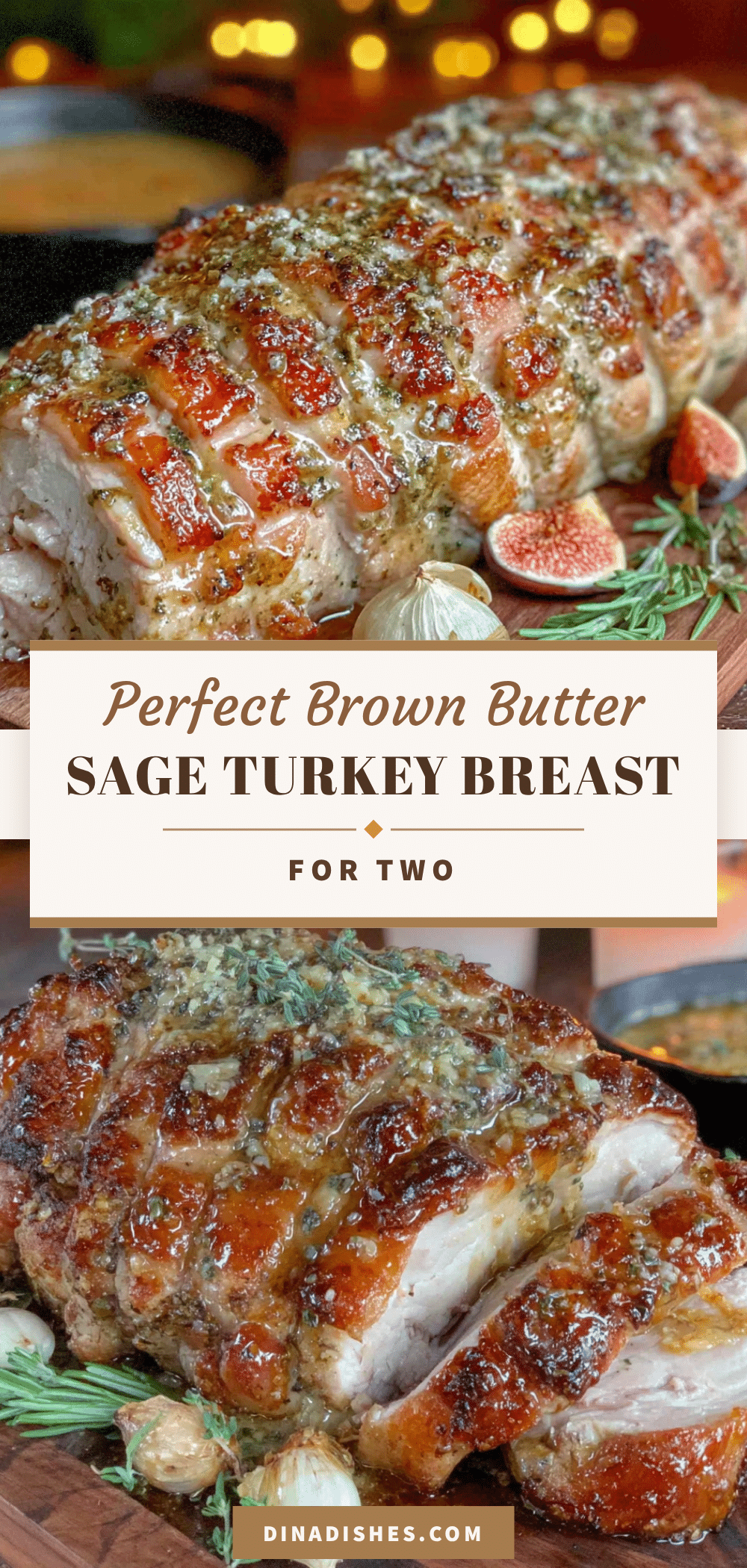
Easy Brown Butter Sage Turkey Breast for Two Recipe
A simple yet elegant turkey breast recipe featuring nutty brown butter and crispy sage, perfect for a romantic dinner or small gathering. Ready in under an hour with minimal ingredients.
- Prep Time: 10 minutes
- Cook Time: 45 minutes
- Total Time: 55 minutes
- Yield: 2 servings 1x
- Category: Main Course
- Cuisine: American
Ingredients
- 1 boneless, skin-on turkey breast (about 1.5 to 2 pounds)
- 4 tablespoons unsalted butter
- 10 to 12 fresh sage leaves
- 3 cloves garlic, smashed
- 1 teaspoon kosher salt
- ½ teaspoon black pepper, freshly ground
- 1 tablespoon olive oil
Instructions
- Preheat your oven to 400°F (200°C). Position the rack in the center. While the oven heats, take the turkey breast out of the fridge and let it sit at room temperature for about 15 minutes.
- Pat the turkey breast dry with paper towels. Season generously on all sides with the kosher salt and black pepper.
- In a small saucepan over medium heat, add the 4 tablespoons of unsalted butter. Let it melt, then swirl the pan occasionally. After about 3 to 4 minutes, the butter will start to foam. Watch closely until it turns a deep amber color with little brown specks at the bottom and smells nutty. Immediately remove from heat.
- While the butter is still hot, drop in the fresh sage leaves. They’ll sizzle and crisp up in about 30 seconds. Use tongs to transfer them to a paper towel-lined plate. Set aside for garnish.
- Heat the olive oil in your oven-safe skillet over medium-high heat until it shimmers. Carefully place the turkey breast skin-side down in the hot pan. Sear without moving for 4 to 5 minutes, until the skin is deep golden brown and crispy. Flip and sear the other side for 2 minutes.
- Pour the brown butter from the saucepan over the turkey breast, then add the smashed garlic cloves to the skillet. Let everything sizzle together for about 30 seconds, spooning some of the butter over the turkey.
- Place the skillet in the preheated oven, uncovered. Roast for 20 to 25 minutes, until the internal temperature reaches 160°F to 165°F (71°C to 74°C) in the thickest part.
- Remove the skillet from the oven and transfer the turkey breast to a cutting board. Tent loosely with aluminum foil and let it rest for 10 minutes. Pour the pan juices into a small bowl and set aside.
- Slice the turkey against the grain into ½-inch thick pieces. Arrange on a serving platter, drizzle with the reserved pan juices, and garnish with the crispy sage leaves. Serve immediately.
Notes
Pat the turkey dry twice for crispy skin. Use an instant-read thermometer to avoid overcooking. Let the turkey rest for 10 minutes before slicing. The brown butter can be made up to 2 days ahead and stored in the fridge.
Nutrition
- Serving Size: 1 serving (half the
- Calories: 380
- Sodium: 680
- Fat: 22
- Saturated Fat: 12
- Carbohydrates: 1
- Protein: 45
Keywords: brown butter, sage, turkey breast, easy dinner, small gathering, romantic dinner, weeknight meal