Introduction
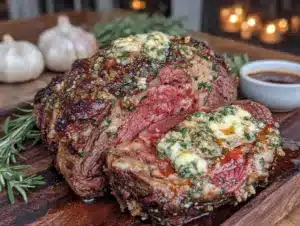
My father-in-law claimed to hate horseradish for thirty-seven years. Thirty-seven years of watching him push it to the side of his plate at holiday dinners, thirty-seven years of polite but firm refusals. Then last Christmas, I made this horseradish cream sauce for prime rib just to keep myself happy while everyone else reached for the gravy boat. I set the bowl near his plate without a word—you know, just in case. Halfway through dinner, I looked up and caught him dipping his fork into the bowl. Then again. And again. He never said a word about it, but he finished every last drop. Honestly, that silence was louder than any compliment.
I get the skepticism, I really do. Store-bought horseradish sauce can be a punishment—that harsh, chemical burn that clears your sinuses and makes your eyes water in the worst way. It’s the kind of condiment people tolerate because tradition demands it, not because they actually enjoy it. But here’s the thing: homemade horseradish cream sauce is a completely different animal. It’s creamy, tangy, and just sharp enough to wake up that perfectly roasted prime rib without overpowering it. The difference between the jarred stuff and this version is like the difference between a microwave dinner and a slow-roasted Sunday feast.
I stumbled onto this recipe by accident, honestly. I was trying to recreate the sauce from a steakhouse my husband and I visited on our anniversary. The first attempt was too runny. The second was too thick and tasted like I’d grated a wasp nest. But the third time? That was the charm. The balance of sour cream, prepared horseradish, and a tiny splash of lemon juice created something that made my husband look at me differently. “This is it,” he said. And it was. Maybe you’ve been burned by bad horseradish sauce before. I get it. But this one might just change your mind too.
Why You’ll Love This Recipe
This isn’t just another condiment recipe you’ll make once and forget about. This horseradish cream sauce for prime rib has earned a permanent spot in my holiday rotation, and here’s why it deserves one in yours too.
- Ready in 5 Minutes : No cooking, no waiting, no complicated techniques. Just mix, taste, and serve. It’s the perfect last-minute addition to any meal.
- Simple Pantry Ingredients : You probably already have everything you need. No special trips to fancy grocery stores required. Sour cream, prepared horseradish, and a few pantry staples are all it takes.
- Perfect for Holiday Feasts : Christmas dinners, Easter celebrations, New Year’s Eve gatherings—this sauce belongs on every special occasion table right next to that beautiful prime rib.
- Crowd-Pleaser : Even people who “hate” horseradish (like my father-in-law) end up going back for seconds. It’s that good.
- Unbelievably Balanced : The key difference here is the creaminess. The sour cream and mayonnaise mellow out the heat of the horseradish, leaving you with a sauce that has a gentle kick instead of a punch to the face.
What makes this recipe different from every other horseradish cream sauce out there? It’s the ratio. I tested this dozens of times to find the perfect balance where the horseradish flavor shines through without dominating. The addition of a tiny pinch of sugar might sound strange, but trust me—it rounds out the sharp edges and makes the whole thing taste more polished. This isn’t just a sauce you put on prime rib because tradition says so. It’s a sauce you’ll find yourself putting on sandwiches, roasted vegetables, and even baked potatoes.
There’s something deeply satisfying about making your own condiments. It feels like a secret weapon in your cooking arsenal. When guests ask what’s in this incredible sauce, you get to smile and say, “Oh, just a little something I threw together.” That never gets old.
What Ingredients You Will Need
This recipe uses simple, everyday ingredients to create something that tastes far more sophisticated than it has any right to be. The magic happens when these humble components come together in just the right proportions.
- 1 cup sour cream (full-fat works best for richness, but light sour cream also works in a pinch)
- ¼ cup prepared horseradish (drained well—this is important! Too much liquid will make your sauce runny)
- 2 tablespoons mayonnaise (I prefer Hellmann’s or Duke’s for the right balance of tang and creaminess)
- 1 tablespoon fresh lemon juice (about half a lemon—bottled juice works but fresh really does taste better here)
- ½ teaspoon Dijon mustard (adds a subtle depth without making the sauce taste mustardy)
- ¼ teaspoon kosher salt (start here and adjust to taste)
- ⅛ teaspoon white pepper (black pepper works too, but white pepper blends in more seamlessly)
- Pinch of granulated sugar (just a tiny pinch—it rounds out the sharp edges)
- Optional: 1 tablespoon fresh chives or parsley (for color and a fresh finish)
A quick note on the horseradish: look for prepared horseradish in the refrigerated section of your grocery store, usually near the pickles and sauerkraut. The stuff on the shelf that doesn’t need refrigeration has more preservatives and a harsher flavor. I like the brand Gold’s or Beaver brand for consistent quality. Before you measure, spoon the horseradish into a fine-mesh strainer or press it against the side of a small bowl with the back of a spoon to squeeze out excess liquid. Nobody wants watery sauce.
For the sour cream, full-fat really does make a difference here. The richness acts as a buffer against the horseradish heat, creating that smooth, luxurious texture you’re after. If you’re dairy-sensitive, you can substitute with a good-quality dairy-free sour cream alternative, though the flavor will be slightly different. The mayonnaise might seem redundant with the sour cream, but it adds a silky texture and stability that sour cream alone can’t provide. It also helps the sauce hold up better if you’re making it ahead of time.
The Dijon mustard is my secret ingredient. It doesn’t make the sauce taste like mustard—it just adds this subtle complexity that makes people tilt their heads and wonder what’s in it. You can skip it if you don’t have any on hand, but it really does elevate the final result.
Equipment Needed
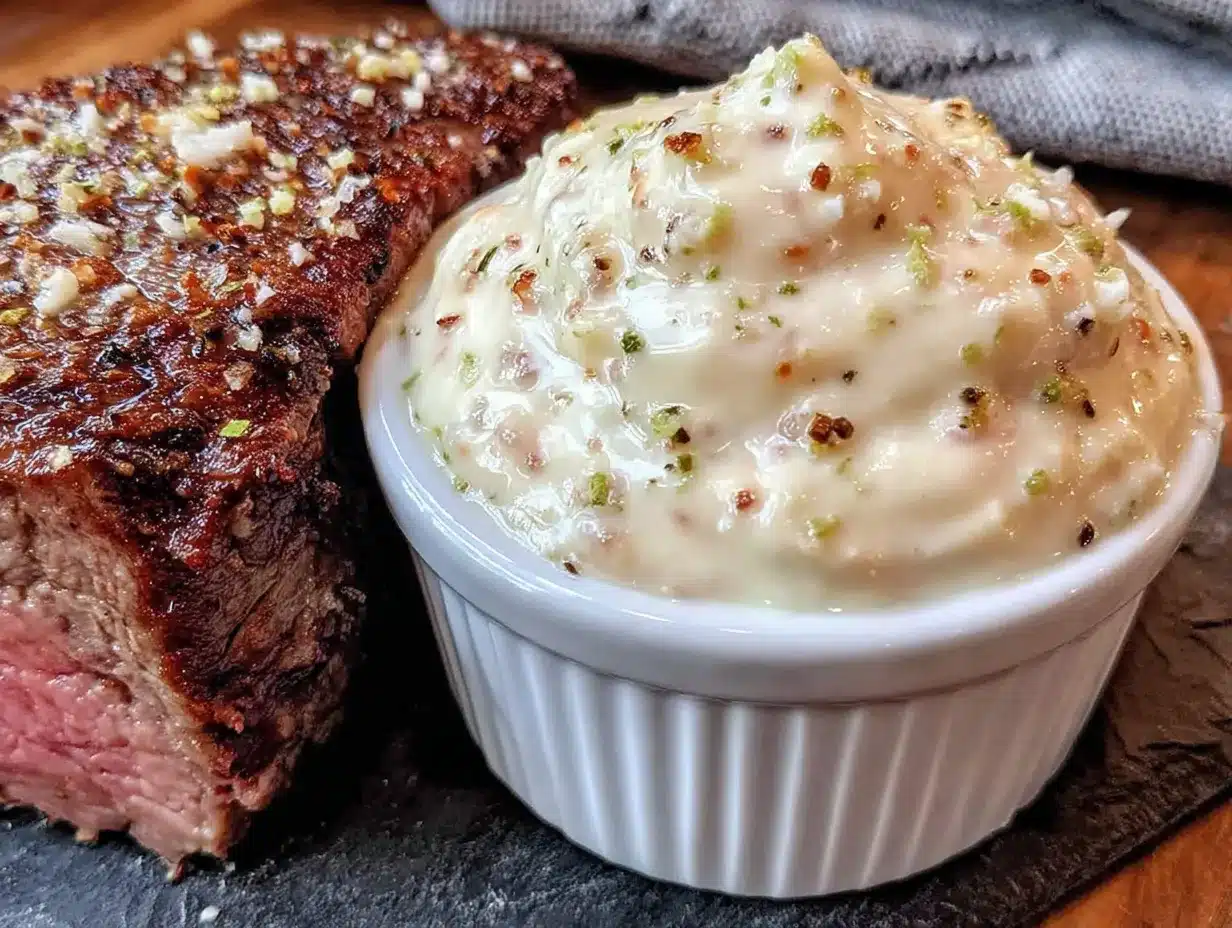
One of the best things about this recipe is how little equipment it requires. You don’t need a stand mixer, a food processor, or any fancy gadgets. Here’s what you’ll need:
- Medium mixing bowl (glass or ceramic works best—metal can sometimes leave a slight taste with acidic ingredients)
- Whisk (for combining everything smoothly)
- Rubber spatula (for scraping every last bit of sauce into your serving bowl)
- Fine-mesh strainer (optional but helpful for draining the horseradish)
- Measuring cups and spoons (accuracy matters here for the right balance)
- Small bowl for draining horseradish
- Serving bowl (something pretty for the table)
- Plastic wrap or airtight container (for storage)
That’s really it. If you don’t have a fine-mesh strainer, you can press the horseradish against the side of a small bowl with a spoon and pour off the liquid. I’ve done it that way plenty of times when my strainer was in the dishwasher. The recipe is forgiving that way.
Preparation Method
This horseradish cream sauce for prime rib comes together in minutes, but a few small details make the difference between good and unforgettable. Follow these steps and you’ll have a sauce that steals the show.
Step 1: Drain the horseradish. Measure out ¼ cup of prepared horseradish and place it in a fine-mesh strainer set over a small bowl. Press gently with the back of a spoon to remove excess liquid. You want to squeeze out as much moisture as possible without pressing so hard that you lose all the horseradish. This should take about 30 seconds. Set aside while you prepare the other ingredients.
Step 2: Combine the creamy base. In your medium mixing bowl, add 1 cup of sour cream and 2 tablespoons of mayonnaise. Whisk them together until completely smooth. The mixture should look uniform and glossy with no streaks. This takes about 20 seconds of gentle whisking. Don’t overmix or the sour cream can start to thin out.
Step 3: Add the flavorings. Add the drained horseradish, 1 tablespoon of fresh lemon juice, ½ teaspoon of Dijon mustard, ¼ teaspoon of kosher salt, ⅛ teaspoon of white pepper, and a tiny pinch of sugar. Whisk everything together until fully incorporated. Taste the sauce at this point—it should have a pleasant kick that builds slowly, not a harsh burn that hits you all at once. If it tastes too sharp, add another tablespoon of sour cream to mellow it out. If you want more heat, add another teaspoon of drained horseradish.
Step 4: Let it rest. This is the step most people skip, and it makes a real difference. Cover the bowl with plastic wrap and refrigerate for at least 30 minutes before serving. This resting time allows the flavors to meld together and the horseradish heat to mellow slightly, creating a more rounded, harmonious sauce. If you’re in a hurry, 15 minutes will do in a pinch, but the full 30 minutes is worth it.
Step 5: Final adjustment and serve. After the sauce has rested, give it a stir and taste it again. You might find it needs a tiny pinch more salt or an extra squeeze of lemon. Cold temperatures can dull flavors, so adjust accordingly. If the sauce seems too thick after resting, stir in a teaspoon of milk or cream to loosen it up. Transfer to a serving bowl and garnish with fresh chives or parsley if you’re feeling fancy.
Step 6: Make ahead option. This sauce actually improves over time. You can make it up to 3 days in advance and store it in an airtight container in the refrigerator. Just give it a good stir before serving and adjust the seasoning if needed. The horseradish flavor will mellow and integrate beautifully over 24 hours.
A few notes from my own trials: The first time I made this, I skipped the draining step and ended up with a sauce that was too thin and watery. Don’t be like me. Drain that horseradish like your sauce depends on it. Also, if you accidentally add too much horseradish and the sauce is too spicy, don’t panic. Add more sour cream and a tiny bit more sugar to balance it out. Every mistake has a fix.
Cooking Tips & Techniques
After making this horseradish cream sauce for prime rib more times than I can count, I’ve collected a few tips that make the process smoother and the results more consistent. Consider these the lessons I learned so you don’t have to.
Temperature matters. This sauce is best served cold or at cool room temperature. The contrast between the warm, rich prime rib and the cool, tangy sauce is part of the magic. If you leave it out on the table for too long, it will warm up and lose some of its refreshing quality. I recommend setting the bowl in a slightly larger bowl filled with ice if you’re serving it during a long dinner.
Taste as you go. I know this sounds obvious, but you’d be surprised how many people skip this step. The heat level of prepared horseradish can vary significantly between brands and even between jars of the same brand. What’s perfectly spicy with one jar might be mild with another. Start with the recommended amount, taste, and adjust from there. Your palate knows what it likes.
Let it rest overnight. If you have the time, making this sauce a day ahead is the move. The flavors marry together beautifully overnight, and the horseradish heat becomes more integrated and less aggressive. It’s one of those rare recipes that actually improves with time, like a good stew or chili.
Don’t use cream-style horseradish. There’s a product called cream-style horseradish that already has cream and other ingredients mixed in. Don’t use it for this recipe. It’s thinner and less potent than prepared horseradish, and it will throw off the balance of the sauce. Stick with plain prepared horseradish and add your own creaminess.
Whip it for a lighter texture. If you want a sauce that’s extra light and fluffy, you can whip the sour cream and mayonnaise together with a hand mixer for about a minute before adding the other ingredients. This incorporates air and creates a mousse-like texture that’s lovely with prime rib. It’s an extra step, but it’s worth it for special occasions.
One failure I’ll never forget. I once tried to cut corners by using Greek yogurt instead of sour cream because I thought it would be healthier. The sauce was tangy in all the wrong ways and had a weird, grainy texture. Greek yogurt is great for many things, but it’s not a substitute here. Stick with sour cream for the best results.
Variations & Adaptations
This horseradish cream sauce for prime rib is wonderful as written, but it’s also a fantastic base for experimentation. Here are some variations I’ve tried and loved.
Smoky Horseradish Cream. Add ½ teaspoon of smoked paprika and ¼ teaspoon of liquid smoke to the base. This gives the sauce a subtle smoky depth that pairs beautifully with grilled prime rib or steak. I made this version for a summer barbecue and people went crazy for it.
Roasted Garlic Horseradish Cream. Roast 4-5 cloves of garlic in olive oil until soft and golden, then mash them into a paste and whisk into the sauce. The sweet, mellow garlic balances the sharp horseradish perfectly. This is my go-to version for holiday dinners when I want something a little more luxurious.
Herb-Infused Version. Finely chop 2 tablespoons of fresh dill, 1 tablespoon of fresh chives, and 1 tablespoon of fresh parsley. Stir them into the finished sauce along with a pinch of celery salt. This version is brighter and more refreshing, perfect for spring and summer meals.
Spicy Southwest Version. Add 1 teaspoon of adobo sauce from a can of chipotle peppers (not the peppers themselves, just the sauce) and ½ teaspoon of ground cumin. This creates a smoky, spicy sauce that’s incredible with grilled meats and even works as a dip for sweet potato fries.
Dairy-Free Adaptation. Use a high-quality dairy-free sour cream alternative and vegan mayonnaise. The flavor will be slightly different, but the texture holds up well. I’ve tested this with the brand Forager Project and it worked beautifully. Just be sure to let it rest overnight for the best flavor development.
Keto and Low-Carb Friendly. This recipe is already naturally low in carbs, with less than 2 grams per serving. Just be sure to check your prepared horseradish label, as some brands add sugar. Most are fine, but it’s worth a quick glance.
My personal favorite variation is the roasted garlic version. I stumbled onto it by accident when I had leftover roasted garlic from another recipe and thought, “Why not?” The sweet, caramelized garlic creates this incredible depth that makes the sauce feel restaurant-quality. It’s become my default for special occasions.
Serving & Storage Suggestions
This horseradish cream sauce for prime rib is incredibly versatile, and I’ve found myself reaching for it with all kinds of dishes beyond its original purpose.
Serving temperature. Serve this sauce cold or at cool room temperature. I like to take it out of the refrigerator about 10 minutes before serving to take the chill off, but it should still feel cold to the touch. The contrast with warm prime rib is what makes it so special.
Presentation. Transfer the sauce to a small serving bowl and smooth the top with a spatula. Garnish with a sprinkle of fresh chives, a pinch of paprika, or a few whole chive stalks arranged artfully on top. A small serving spoon or spreader on the side completes the presentation.
What else to serve it with. Beyond prime rib, this sauce is incredible on roast beef sandwiches, steak tacos, baked potatoes, roasted vegetables (especially Brussels sprouts and asparagus), and even as a dip for crispy onion rings or fries. I’ve also used it as a spread for burgers and as a topping for baked salmon. Don’t limit yourself.
Storage instructions. Store the sauce in an airtight container in the refrigerator for up to 5 days. The flavor will actually improve over the first 24-48 hours as the ingredients meld together. After that, the horseradish heat will gradually fade, but the sauce will still be delicious.
Freezing. I don’t recommend freezing this sauce. The sour cream and mayonnaise base can separate and become grainy when thawed. It’s so quick to make that there’s really no need to freeze it anyway.
Reheating. Don’t heat this sauce. It’s meant to be served cold, and heating it will cause the dairy to separate and the texture to become unpleasant. If you want a warm sauce for your prime rib, make a separate jus or au jus.
How flavors develop. Freshly made, this sauce has a bright, sharp horseradish kick that hits you right away. After a day in the refrigerator, the heat mellows and the flavors become more integrated. After three days, the sauce is smoother and more mellow, with the horseradish providing a gentle warmth rather than a sharp bite. All three stages are delicious in their own way.
Nutritional Information & Benefits
This horseradish cream sauce for prime rib is surprisingly reasonable in terms of nutrition, especially considering how luxurious it tastes. Here’s the breakdown per 2-tablespoon serving:
| Nutrient | Amount per serving |
|---|---|
| Calories | 85 |
| Total Fat | 8g |
| Saturated Fat | 4g |
| Cholesterol | 15mg |
| Sodium | 120mg |
| Total Carbohydrates | 2g |
| Dietary Fiber | 0g |
| Sugars | 1g |
| Protein | 1g |
Horseradish itself has some surprising health benefits. It’s part of the Brassicaceae family, which includes broccoli, cabbage, and mustard greens. It contains compounds called glucosinolates, which have been studied for their potential anti-inflammatory and antioxidant properties. The sharp flavor comes from allyl isothiocyanate, the same compound found in mustard and wasabi, which can help clear sinuses and promote respiratory health.
This sauce is naturally low in carbohydrates, making it suitable for keto and low-carb diets. It contains dairy, so it’s not suitable for vegan or dairy-free diets without the substitutions mentioned above. The sugar content is minimal, with most of the sweetness coming naturally from the dairy.
From a wellness perspective, I love that this sauce lets me add tons of flavor to my meals without loading up on heavy gravies or butter-based sauces. A small amount goes a long way, so you get maximum taste with minimal calories. It’s one of those rare condiments that feels indulgent but is actually pretty reasonable.
Conclusion
This horseradish cream sauce for prime rib has become a non-negotiable part of my holiday cooking, and I have a feeling it will become one in your kitchen too. It’s the kind of recipe that looks simple on paper but delivers way more than the sum of its parts. The creamy texture, the gentle heat, the bright tang from the lemon—every element works together to complement that beautiful prime rib without trying to steal the show.
What I love most about this recipe is how forgiving it is. You can adjust the heat level to your preference, swap in different herbs, or add roasted garlic for a special occasion. It’s a recipe that invites experimentation while always delivering reliable results. And honestly, there’s something deeply satisfying about making your own condiments from scratch. It feels like a small act of kitchen magic.
I’d love to hear how this sauce turns out for you. Did you add your own twist? Serve it with something unexpected? Convert a horseradish skeptic in your life? Drop a comment below and let me know. And if you’re looking for the perfect prime rib to serve with this sauce, check out my perfect prime rib roast recipe for all the tips and tricks you’ll need. Happy cooking, and don’t forget to taste as you go!
Frequently Asked Questions
Can I make this horseradish cream sauce ahead of time?
Absolutely. In fact, I recommend it. This sauce tastes even better after resting overnight in the refrigerator. The flavors meld together and the horseradish heat becomes more balanced. Make it up to 3 days in advance and store it in an airtight container.
Why is my horseradish cream sauce too thin?
Most likely, you didn’t drain the prepared horseradish well enough. The liquid in the jar can thin out the sauce significantly. Next time, press the horseradish through a fine-mesh strainer or squeeze it in a clean kitchen towel before adding it. If your sauce is already thin, you can whisk in an extra tablespoon of sour cream to thicken it up.
Can I use fresh horseradish root instead of prepared?
You can, but it’s a different process. Fresh horseradish root needs to be peeled and grated, and it’s significantly more potent than the prepared version. If you go this route, start with 2 tablespoons of freshly grated horseradish and adjust from there. Be prepared for some serious eye-watering while grating it—working near an open window helps.
How long does homemade horseradish cream sauce last?
Stored in an airtight container in the refrigerator, this sauce will stay fresh for 5-7 days. The horseradish flavor will gradually mellow over time, so it’s best within the first 3-4 days. Don’t freeze it, as the texture will become grainy when thawed.
What else can I serve this sauce with besides prime rib?
So many things! It’s incredible on roast beef sandwiches, steak tacos, baked potatoes, roasted vegetables (especially Brussels sprouts), grilled salmon, and even as a dip for crispy onion rings or fries. I’ve also used it as a spread for burgers and as a topping for baked potatoes. Don’t limit yourself to just prime rib—this sauce is versatile enough to enhance all kinds of dishes.
Pin This Recipe!
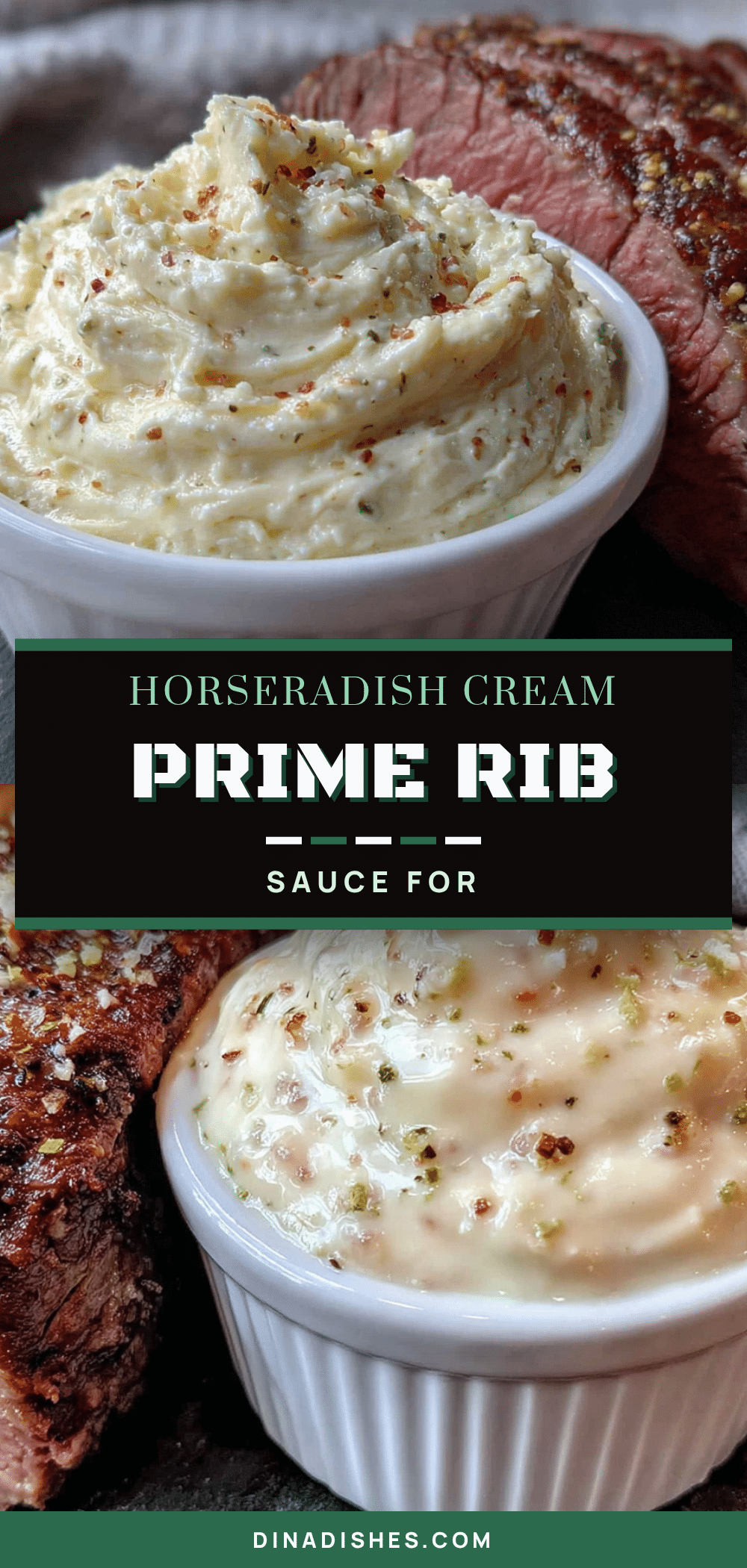
Best Homemade Horseradish Cream Sauce for Prime Rib
This creamy, tangy horseradish sauce is the perfect complement to prime rib, with a gentle kick that even skeptics will love. Ready in 5 minutes with simple pantry ingredients, it’s a holiday favorite that improves overnight.
- Prep Time: 5 minutes
- Cook Time: 0 minutes
- Total Time: 35 minutes (includes 30 minutes resting time)
- Yield: 8 servings (about 1 cup total) 1x
- Category: Condiment
- Cuisine: American
Ingredients
- 1 cup sour cream (full-fat recommended)
- 1/4 cup prepared horseradish (drained well)
- 2 tablespoons mayonnaise (Hellmann’s or Duke’s preferred)
- 1 tablespoon fresh lemon juice (about half a lemon)
- 1/2 teaspoon Dijon mustard
- 1/4 teaspoon kosher salt
- 1/8 teaspoon white pepper (or black pepper)
- Pinch of granulated sugar
- Optional: 1 tablespoon fresh chives or parsley for garnish
Instructions
- Drain the horseradish: Measure 1/4 cup prepared horseradish and place in a fine-mesh strainer over a small bowl. Press gently with the back of a spoon to remove excess liquid. Set aside.
- Combine the creamy base: In a medium mixing bowl, whisk together 1 cup sour cream and 2 tablespoons mayonnaise until smooth and glossy, about 20 seconds.
- Add the flavorings: Add the drained horseradish, 1 tablespoon fresh lemon juice, 1/2 teaspoon Dijon mustard, 1/4 teaspoon kosher salt, 1/8 teaspoon white pepper, and a pinch of sugar. Whisk until fully incorporated. Taste and adjust: add more sour cream to mellow heat or more horseradish for extra kick.
- Let it rest: Cover the bowl with plastic wrap and refrigerate for at least 30 minutes (or up to overnight) to allow flavors to meld.
- Final adjustment and serve: After resting, stir and taste again. Adjust salt or lemon if needed. If too thick, stir in a teaspoon of milk or cream. Transfer to a serving bowl and garnish with fresh chives or parsley if desired.
- Make ahead option: This sauce can be made up to 3 days in advance. Store in an airtight container in the refrigerator. Stir before serving and adjust seasoning if needed.
Notes
Drain the horseradish well to avoid watery sauce. The sauce improves overnight as flavors meld. For a lighter texture, whip sour cream and mayonnaise with a hand mixer before adding other ingredients. Do not freeze; texture will become grainy. Serve cold or at cool room temperature.
Nutrition
- Serving Size: 2 tablespoons
- Calories: 85
- Sugar: 1
- Sodium: 120
- Fat: 8
- Saturated Fat: 4
- Carbohydrates: 2
- Protein: 1
Keywords: horseradish cream sauce, prime rib sauce, homemade horseradish sauce, easy condiment, holiday recipe, steak sauce